
When we walk through our homes, we often ignore the small imperfections on our walls. However, identifying these minor flaws early can save us thousands of dollars in future repairs. Our professional technicians at Envirotech know that what looks like a tiny crack might actually signal a major structural or moisture problem. Furthermore, ignoring these signs allows issues to fester behind the scenes. Because we want to help you protect your investment, we have put together this guide to spotting hidden drywall trouble.
Why early detection matters for your home
First and foremost, drywall serves as more than just a surface for paint. It acts as a protective barrier and contributes to the insulation of your living space. If moisture or pests penetrate this layer, the integrity of your room quickly declines. Consequently, staying vigilant about the state of your walls is a vital part of home maintenance. Transitioning from a small stain to a full mould remediation project happens faster than most homeowners realize. By the time you see a large bulge, the wood framing inside your wall may already be rotting.
Visual cues of moisture and water damage
Water is the primary enemy of gypsum board. Even if you do not see a literal puddle, your walls might be absorbing slow leaks from pipes or windows. Therefore, we always suggest looking for discolouration that appears yellow, brown, or grey. These stains often start as small spots that gradually expand over time. Additionally, if the texture of the wall feels soft or “spongy” when you press it, you likely have an active leak.
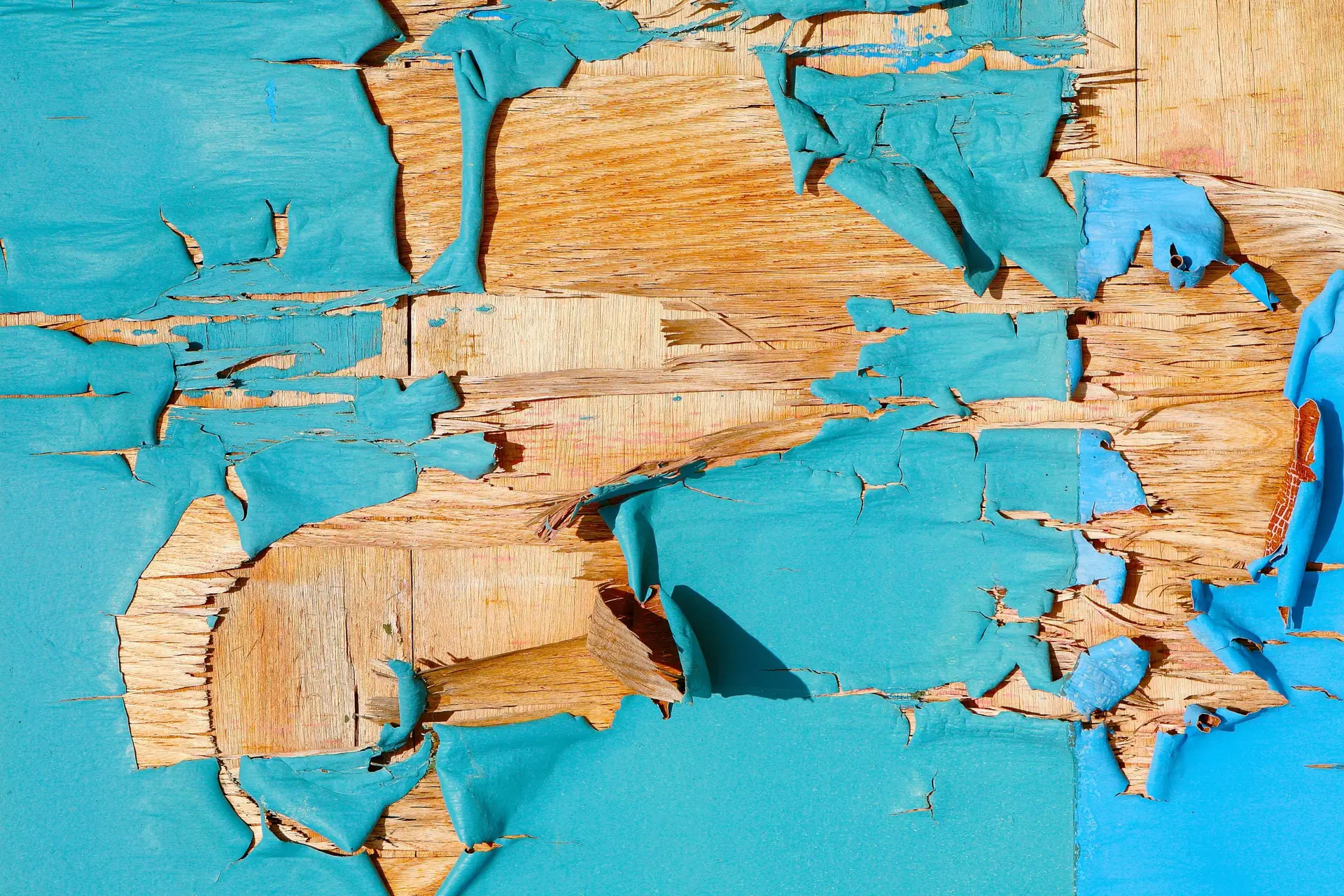
In many cases, the damage is not visible to the naked eye but can be detected through texture changes. For instance, bubbling or peeling paint is a classic sign that moisture is trapped between the paint layer and the drywall. If you notice these symptoms in your bathroom or kitchen, it is time to consult a drywall contractor Calgary to assess the extent of the dampness. Our team at Envirotech emphasizes that fixing the source of the water is just as important as replacing the damaged board.
Identifying structural cracks and shifts
While some settling is normal in newer homes, certain types of cracks indicate serious stress. Horizontal cracks or large diagonal gaps above door frames are particularly concerning. Moreover, if you find that your doors no longer latch properly or windows are sticking, the drywall is likely reacting to a shifting foundation. Usually, these cracks will reappear even after you patch and paint them if the underlying cause is not addressed.
Furthermore, we often see “nail pops,” which are small circular bumps where the drywall screws or nails are pulling away from the wooden studs. While these are common, a sudden cluster of them in one area suggests the wall is under significant pressure. Our professional technicians recommend checking your attic and basement for similar signs of movement. If you are planning a larger renovation to fix these structural issues, you should explore professional renovation services Calgary to ensure the work is done safely.
The hidden danger of mould and mildew
One of the most frightening hidden issues is the growth of mould. Since mould thrives in dark, damp environments, the back of your drywall is the perfect breeding ground. Sometimes, the only sign of a problem is a persistent musty odour that does not go away with cleaning. Additionally, if members of your household are experiencing unexplained respiratory issues or allergies, it could be due to spores hidden inside the wall cavities.
Envirotech takes mould concerns very seriously because it impacts the health of your family. If you see black or green specks appearing along your baseboards, do not simply wipe them away. This often indicates a much larger colony living on the other side of the panel. Therefore, professional testing is usually the best course of action to determine the safety of your environment.
Sound and smell as diagnostic tools
Believe it or not, your ears can help you find drywall issues. If you tap on a wall and it sounds hollow or “crunchy,” the core of the drywall may be crumbling due to age or termite damage. Similarly, if you hear faint scratching sounds at night, pests might be tunnelling through the material. Pests like mice or carpenter ants love the soft consistency of wet drywall. Consequently, keeping your walls dry also keeps your home pest-free.
In addition to sounds, keep an eye out for “ghosting.” This is when dark streaks appear on the walls, often following the lines of the wall studs. This happens when static electricity pulls dust and soot to cold spots on the wall. While it looks like a simple cleaning issue, it actually tells us that your home has poor insulation or high humidity levels. Envirotech can help you identify these patterns to improve your home’s efficiency.
How to perform a DIY wall inspection
To stay ahead of these costs, we recommend performing a seasonal walkthrough. First, use a high-powered flashlight and shine it parallel to the wall surface. This “raking light” will reveal shadows from bumps, cracks, or dips that you cannot see in normal overhead lighting. Next, check the corners of every room. Cracks in the corner bead often mean the house is settling or the drywall was not taped correctly during installation.
Finally, do not forget to check your ceilings. Gravity ensures that most leaks eventually show up overhead. If you see any sagging or “pillowing” in the ceiling panels, this is an emergency. The weight of trapped water can cause the entire ceiling to collapse without warning. By catching these signs early, you keep your repair bills low and your home beautiful. For any major wall repairs or ceiling fixes, our team provides the expertise needed for a seamless finish.
Taking the next step for a healthy home
Maintaining your home requires a proactive mindset. Although it is tempting to ignore a small crack, being diligent today prevents a disaster tomorrow. Our team at Envirotech is dedicated to providing high-quality solutions for all your interior needs. Whether you are dealing with a minor dent or a major flood, professional repairs ensure the job is handled correctly the first time.
If you suspect your walls are hiding secrets, do not wait for the problem to grow. Call us for more information on how we can help you restore your home to its best condition.
Frequently Asked Questions
How do I know if a crack in my drywall is serious? If a crack is wider than a centimetre or if it is diagonal and growing quickly, it likely indicates a structural issue. Small hairline cracks are often just the result of temperature changes, but larger gaps require professional inspection.
Can I just paint over water stains? No, painting over a water stain will not solve the problem. The moisture will eventually cause the paint to peel, and mould will likely grow underneath. You must find the leak and replace the damaged drywall before repainting.
What causes drywall to sag on the ceiling? Sagging is usually caused by water leaks, high humidity, or using the wrong thickness of drywall for the joist spacing. It is a safety hazard and should be repaired immediately to prevent a collapse.
Is it normal to see nail heads popping out of the wall? While nail pops are common in new homes as the wood dries out, they can also signal that the drywall was not fastened properly. If you see many of them in one spot, it might mean the wall is shifting.
How much does it cost to fix hidden drywall damage? The cost varies depending on the cause. A simple patch is very affordable, but if the damage includes mould remediation or structural repair, the costs will be higher. Catching it early is always the cheapest option.