
Appliances are the heartbeat of a home. From washing machines to refrigerators, they help us manage everyday tasks without thinking twice. But when they start making strange noises or shaking during use, it can be more than just an irritation. Unusual sounds and rough operation often signal wear, imbalance, or neglect that can shorten an appliance’s life. The good news is that with regular attention and a few simple habits, we can keep our home appliances running quietly and smoothly for years.
Start with Proper Installation
Noise often begins where the installation went wrong. If an appliance sits unevenly on the floor, every cycle or vibration will be louder than it should be. Always check that washing machines, dishwashers, and refrigerators stand level. We can use a simple bubble level tool or a smartphone app for this. Adjusting the appliance legs until all corners touch the ground evenly makes a big difference.
Spacing also matters. Appliances pressed tightly against walls or cabinets may vibrate against them, creating extra sound. Leaving a small gap on each side allows for airflow and less friction. For example, a refrigerator needs enough space behind it to release heat efficiently; otherwise, the compressor works harder and becomes noisier.
When moving appliances, even slightly, always double-check hoses and connections. A loose water line or a bent drain hose can create knocking or rattling noises during operation.
Keep Moving Parts Clean
Appliance noise often increases as parts gather dust, lint, or grease. Cleaning these areas regularly not only helps reduce sound but also improves performance. Vacuum the coils behind the refrigerator every few months to prevent buildup that forces the motor to run longer. A soft brush or vacuum attachment works best for this.
For washing machines and dryers, lint is a common culprit. Always remove lint after every drying cycle, and clean the vent hose at least twice a year. A blocked vent reduces airflow and makes the dryer work harder, which leads to extra vibration and heat.
Dishwashers can develop a grinding sound when food particles clog the filter. Removing the bottom rack and rinsing the filter under warm water keeps the motor from straining. If you notice a squeak or scrape, check for utensils or debris that might have slipped below the rack.
Check and Tighten Fasteners
Over time, the constant motion of motors and drums loosens screws, panels, and internal bolts. These small vibrations eventually become noticeable rattles. It helps to do a quick check every few months. With the power disconnected, gently press on external panels to see if anything moves or feels loose. Tighten visible screws and ensure the rubber feet are secure.
In washing machines, make sure the shipping bolts used during delivery have been removed. These bolts lock the drum in place for transport but must come out before the first use. Leaving them in can cause violent shaking during spin cycles.
Use Appliances the Right Way
Appliance noise is often the result of misuse rather than malfunction. Overloading a washer, for example, throws off its balance and stresses the drum bearings. Instead, distribute clothes evenly and avoid filling the drum completely. A similar principle applies to dishwashers: stacking too many dishes can restrict water movement, making the pump work harder and louder.
In refrigerators, packing food tightly around vents restricts airflow. This forces the fan to run more often and increases hum levels. Keeping the interior about two-thirds full allows proper circulation while still dampening sound.
Another simple habit is to avoid slamming doors. Over time, this weakens hinges and seals, allowing gaps that make compressors and fans noisier. Closing doors gently and cleaning the rubber seals with warm water and mild soap keeps everything fitting tightly and quietly.
Pay Attention to the Floor and Surroundings
The surface under an appliance plays a big role in how much vibration transfers through the room. A hard tile floor amplifies sound more than a solid wood or rubber surface. Anti-vibration pads or mats placed under washers and dryers help absorb excess movement.
For refrigerators or freezers, ensure the floor underneath is solid and even. If it’s slightly uneven, the appliance might lean forward or back, making the compressor noisier. Adjusting the leveling feet solves this quickly.
Surroundings matter too. If an appliance sits near a corner or enclosed space, the sound can bounce off walls and seem louder. Placing small foam panels or felt pads behind or under the appliance reduces echo and softens the overall noise.
Replace Worn Components Early
Strange sounds often indicate worn-out parts that need replacement. Ignoring them leads to bigger repairs later. For example, a high-pitched squeal in a dryer can mean a worn drum belt or roller bearing. A grinding noise in a dishwasher might point to a failing motor or pump.
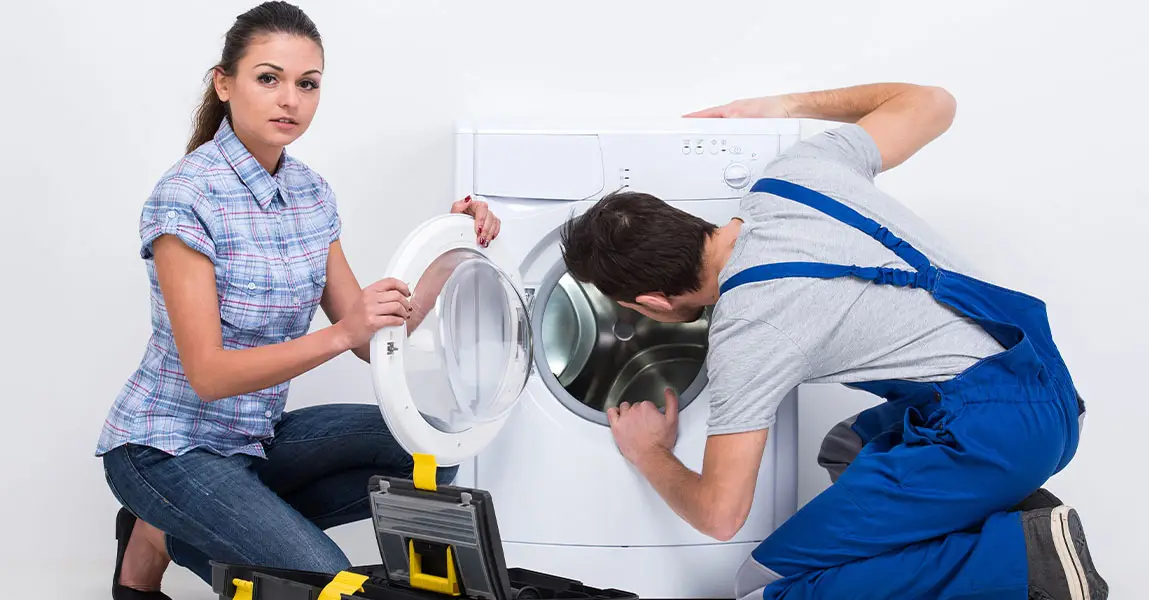
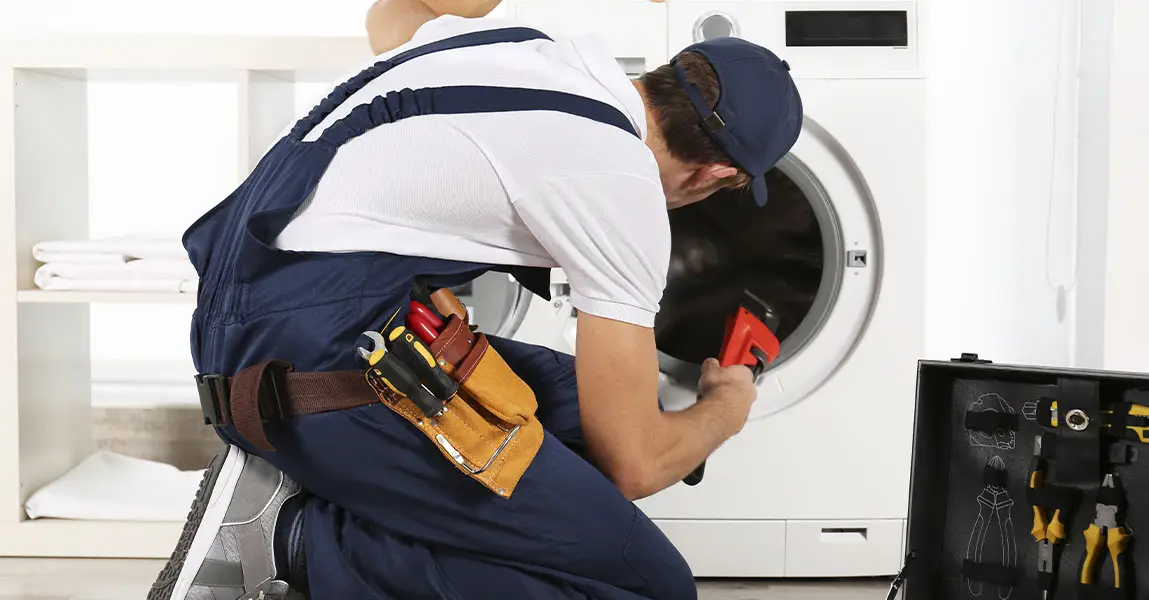
When these signs appear, it’s best not to guess. We can visit appliance repair services in Leduc to understand which part may need service or replacement. Technicians can identify worn components before they cause damage to other areas.
Replacing small parts early, like belts, gaskets, or filters, prevents louder breakdowns later. Even minor replacements such as rubber feet or door seals can make a big difference in reducing vibration and noise.
Schedule Regular Maintenance
Appliances, like cars, benefit from scheduled maintenance. Checking hoses, filters, and motors once or twice a year ensures smooth performance. Routine maintenance helps us catch small issues before they turn into major repairs.
We can also listen for changes. A new buzz, rattle, or hum often signals an early warning. When something sounds different, take a few minutes to inspect or clean the area. Addressing the source early saves time and money later.
For homeowners who prefer professional inspection, scheduling a yearly checkup with a trusted technician helps ensure all components are secure, lubricated, and balanced.
Manage Power and Load Wisely
Electrical strain can cause appliances to sound different or function unevenly. Plugging too many devices into one outlet makes motors struggle and can create flickering or humming. Using grounded outlets and avoiding extension cords with high-power machines keeps energy flow stable.
Power fluctuations also affect motorized parts. Installing a surge protector helps protect delicate electronics in washers, dishwashers, and refrigerators from sudden voltage spikes.
For washing machines and dryers, balancing the load is key. When the load sits unevenly, the drum spins off-center, causing loud thuds. Stopping the cycle, redistributing the contents, and restarting usually solves it.
Keep Fans and Motors Well Ventilated
Heat buildup inside an appliance forces fans to run harder, creating more noise. Ensuring proper ventilation prevents this. Vacuum dust from refrigerator vents, clean dryer ducts, and wipe fan openings with a damp cloth.
Airflow also affects performance. A clogged vent or blocked air path makes the motor overwork, which increases vibration. Regular cleaning and positioning the appliance with enough space for air circulation helps keep operation quiet and efficient.
Avoid Cheap Replacement Parts
When something breaks, it’s tempting to buy the cheapest replacement part available. However, lower-quality components often cause more noise or fit poorly. For example, using an incorrect motor mount or off-brand belt can lead to imbalance and friction.
Choosing genuine or compatible parts designed for the specific model maintains both performance and quiet operation. If unsure, it’s best to ask a professional for advice before purchasing.
Know When to Get Help
Some noises are easy to fix, like a loose screw or a bit of debris. But when the problem involves electrical wiring, bearings, or compressors, professional help is safest. Continuing to use an appliance that grinds or rattles loudly can make the issue worse.
If a sound doesn’t go away after basic cleaning or balancing, we can always contact us for guidance or service. Having an expert examine the unit ensures a proper diagnosis and prevents further damage.
Use Sound as a Diagnostic Tool
Noise is often the first warning sign of trouble. Learning to recognize what each sound means helps us react faster. A humming refrigerator might indicate a normal cycle, but a sudden clicking could mean the start relay is failing. A clunk in the washer could point to an unbalanced drum, while a rhythmic squeak in a dryer might mean a worn roller.
Keeping track of these sounds helps identify patterns. If the noise appears only during certain cycles or at specific times, it gives valuable clues for maintenance or repair.
The Extra Step: Reducing Environmental Noise
Sometimes, even when appliances run perfectly, background noise still feels disruptive. Placing rugs or acoustic panels in the room can absorb ambient sound. In open kitchens or laundry spaces, curtains and fabric furnishings naturally reduce echo.
Another subtle trick is to run noisier appliances during the day instead of at night. When other sounds fill the house, appliance noise blends in and becomes less noticeable.
FAQ
Why is my washing machine louder than before?
It may be unbalanced, overloaded, or resting unevenly. Check if the load is distributed evenly, the legs are level, and the drum moves freely. If the noise persists, the bearings or suspension rods may need attention.
What can I do if my refrigerator hums constantly?
Continuous humming can mean the compressor or fan is running more than usual. Clean the coils, check the door seal, and ensure there’s enough space for ventilation. If the hum grows louder over time, call a technician.
Why does my dryer squeak when spinning?
A squeak often signals a worn drum roller, belt, or tensioner. Cleaning the lint filter and checking for foreign objects inside the drum might help, but a part replacement may be needed.
Is it safe to use an appliance that makes grinding noises?
No. Grinding usually means metal parts are rubbing together. Continuing to use it can cause major damage. Stop the appliance, unplug it, and have it checked by a professional.
How often should I clean my appliance filters?
Clean lint filters after every dryer use. Dishwasher filters should be rinsed weekly, and refrigerator filters should follow the manufacturer’s recommendation, usually every six months.
Keeping home appliances quiet and smooth takes simple, consistent care. Regular cleaning, mindful use, and early attention to changes in sound prevent most issues before they grow. These small habits keep our homes calmer and our appliances working efficiently for years.