
When a lock starts giving you trouble, sticking, turning stiffly, or not latching properly, you face a simple-sounding question with a few possible answers: do you repair it, replace it, or rekey it? Choosing correctly saves you from either throwing away a good lock or pouring effort into one that is past saving. At Super G&R, we make this call every day, so here is a practical guide to deciding what your failing lock actually needs.
First, Understand the Three Options
There are really three paths, and they solve different problems.
| Option | Best when |
|---|---|
| Repair | The lock is sound but a part is worn or misadjusted |
| Rekey | The lock is fine but you need to change who has keys |
| Replace | The lock is worn out, damaged, or you want an upgrade |
Understanding which problem you actually have points you to the right path. A stiff, sticking lock is often a repair; a security concern about who holds keys is a rekey; a broken or badly worn lock is a replacement. Our lock repair versus replacement service starts by figuring out which of these you are dealing with.
When Repair Makes Sense
Many lock problems are repairable. A lock that has become stiff or sticky often just needs cleaning and proper lubrication, especially after a Calgary winter. A door that will not latch may need the strike plate or alignment adjusted rather than a new lock. Worn or loose parts can sometimes be replaced individually. If the lock is fundamentally sound and reasonably modern, repair is often the sensible, economical choice, and it keeps hardware that matches the rest of your doors.
When Rekeying Is the Answer
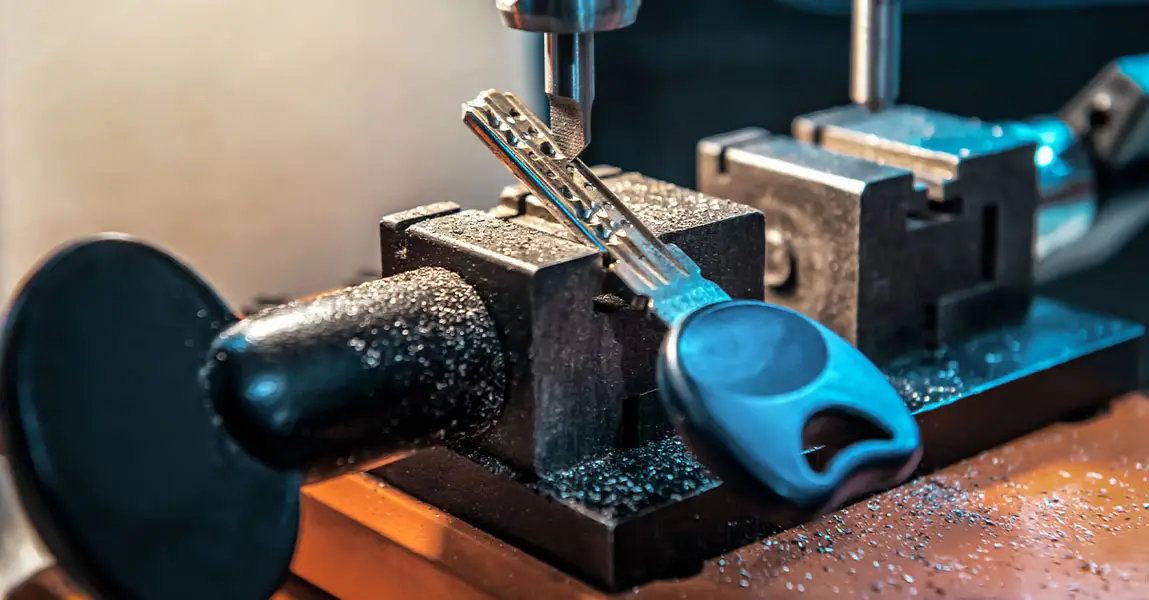
Sometimes the lock works perfectly and the real issue is keys. If you have moved into a home, lost a key, had a tenant or roommate leave, or simply want fewer keys, the lock itself does not need replacing, it needs lock rekeying. Rekeying changes the internal pins so old keys stop working and issues you new ones, at a fraction of the effort of full replacement. It is the right answer whenever the concern is control over keys rather than the condition of the lock.
When Replacement Is the Right Call
Some situations genuinely call for a new lock. If the lock is badly worn, physically damaged, or has failed internally, replacement is more sensible than endless repair. It is also the moment to upgrade: replacing an old, basic lock is a natural opportunity to move to better hardware, a stronger deadbolt, a keyless entry, or a high-security cylinder. And if a lock was damaged in a break-in or attempted break-in, replacing it restores both function and confidence.
How to Decide
The honest way to decide is to have the lock assessed. A quick look tells whether a problem is a simple repair, a rekey, or genuinely needs replacement, and a good locksmith will tell you honestly rather than defaulting to the most involved option. The goal is to solve your actual problem, secure, smooth-working doors, in the most sensible way, not to replace things that do not need replacing.
A Note on Calgary Winters
Our climate deserves a mention here, because cold weather is behind a lot of lock trouble. A lock that turns stiffly or a door that suddenly will not latch in January is often reacting to the cold and to seasonal movement in the door and frame, not failing outright. Before writing off a lock that acts up in deep winter, it is worth having it cleaned, lubricated with a suitable product, and checked for alignment. Many locks that seem to be dying in the cold simply need this seasonal attention to work smoothly again.
Frequently Asked Questions
Should I repair or replace a sticking lock?
Often repair. A stiff or sticking lock frequently just needs cleaning and lubrication, or a strike-plate adjustment, especially after winter. If the lock is fundamentally sound, repair is usually the sensible choice over replacement.
When is rekeying the right option?
When the lock works fine but you need to change who has keys, after moving in, losing a key, or a tenant leaving. Rekeying changes the pins so old keys stop working and issues new ones, without replacing the lock.
When should a lock be replaced?
When it is badly worn, physically damaged, or has failed internally, or when you want to upgrade to stronger or keyless hardware. Replacement is also wise after a break-in to restore both function and confidence.
How do I know which I need?
Have the lock assessed. A quick professional look distinguishes a simple repair from a rekey or a genuine replacement, and a reputable locksmith will recommend the most sensible option rather than the most involved one.
Fix It the Right Way
Repair, rekey, or replace, the right choice solves your problem without waste. Super G&R assesses and services locks across Calgary.
Call Super G&R at (403) 667-5285, or visit 345 39 Ave SE, Calgary, AB. We are available 24/7 for emergencies.