
Home security begins at the door. Installing quality locks is one of the simplest and most effective ways to protect your property, yet many homeowners underestimate the importance of getting the installation done correctly. A poorly fitted lock can make even the strongest model useless, while a well-installed one can last for years and stand up to both weather and wear. As a team providing reliable residential services in the area, we know how crucial this process is for every home.
Whether you have just moved into a new house or want to upgrade the locks in your existing one, understanding the basics of residential lock installation will help you make better choices.
Why Proper Lock Installation Matters
A lock’s purpose is simple, but its performance depends on precision. The smallest misalignment between the lock body and strike plate can make the mechanism difficult to turn, leaving your door vulnerable. When locks are installed too loosely, they become easier to force open. Even strong deadbolts can fail if not seated firmly in the door frame.
We have seen doors where homeowners used the right locks but skipped professional installation. Over time, the lock became stiff, the key bent slightly, and eventually, the cylinder broke. These problems are avoidable. A professional locksmith in Kanata ensures that every lock functions smoothly, aligns properly, and provides real protection rather than a false sense of security.
Choosing the Right Locks for Your Home
The right lock depends on your door type, lifestyle, and level of security you want. For most entry doors, a deadbolt remains the most secure option. However, there are variations worth understanding.
Single-cylinder deadbolts are common and easy to use since they open with a key from the outside and a thumb turn from the inside. Double-cylinder models require a key on both sides, offering extra protection but posing a safety issue in emergencies if the key is misplaced.
For secondary doors, lever handle locks or knob locks might be sufficient, especially when paired with reinforced strike plates. Patio doors, on the other hand, benefit from slide bolts or key-operated auxiliary locks.
If you want smart locks, consider how they integrate with your existing hardware. Some systems can retrofit onto your current deadbolt, while others require full replacement. Always check compatibility with the door thickness and material before purchasing.
Preparing for a New Lock Installation
Before we start drilling or fitting new hardware, preparation is key. First, we measure the door’s thickness and the distance from the edge to the center of the handle (the backset). Most residential doors follow standard sizes, but it’s best to verify.
Next, we check alignment. Over time, wood doors can warp slightly or shift with seasonal humidity. Installing a new lock on a warped door without adjusting the frame leads to sticking and uneven wear. Sometimes, a small sanding or hinge adjustment makes a big difference in how smoothly the new lock operates.
Lastly, we inspect the strike plate area. A deep and secure hole for the bolt ensures the lock engages fully. Reinforcing this section with longer screws that reach into the wall stud adds strength against forced entry attempts.
The Installation Process Step by Step
Installing a lock correctly involves more than attaching a few screws. Each step has to be done with care to ensure lasting performance.
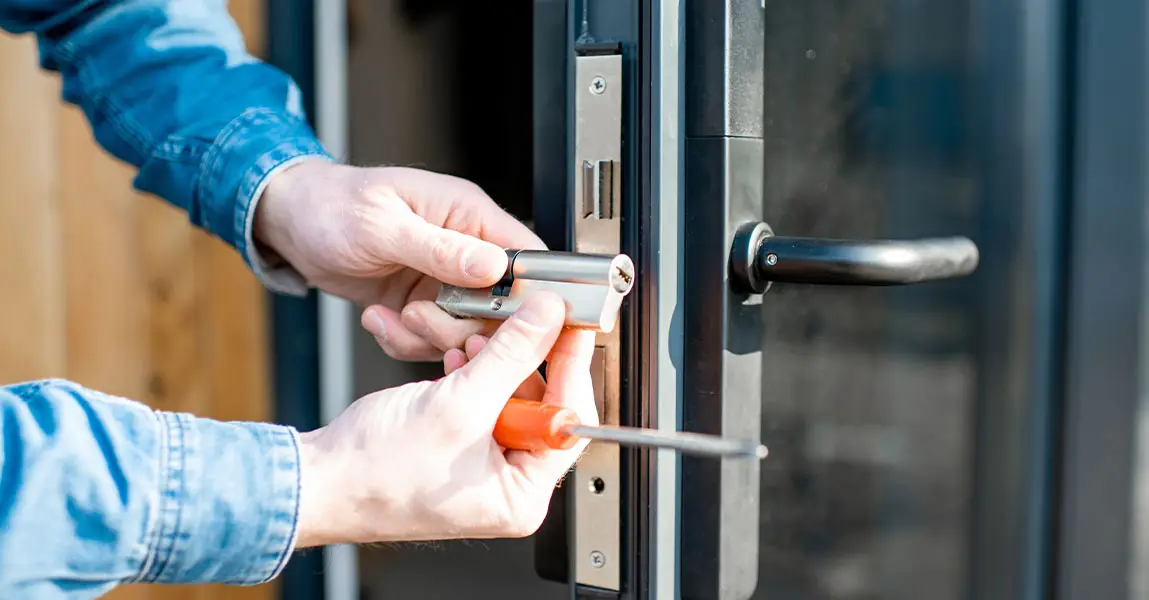
We begin by removing the old hardware. This means taking out both the exterior and interior components, as well as the latch mechanism inside the door edge. Once removed, we inspect the borehole to make sure it’s smooth and properly sized for the new lock.
If we find that the new lock’s latch does not align with the strike plate, we adjust the plate’s position rather than forcing the latch. This prevents unnecessary strain on the lock cylinder and extends its lifespan.
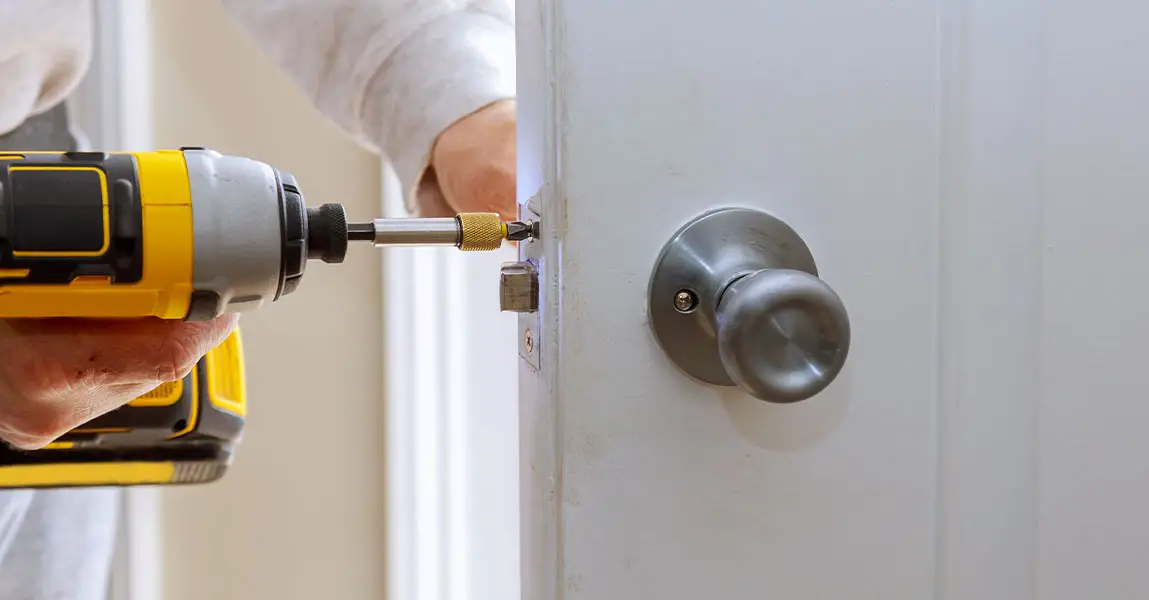
After inserting the latch, we attach the exterior and interior assemblies, making sure the screws are tightened evenly. Over-tightening can warp the mechanism, while leaving them loose can cause rattling or misalignment.
We then test the key several times before final tightening. The key should slide in and turn smoothly without friction. Any resistance at this stage indicates a minor issue that is best corrected immediately.
Once the lock is fully secure, we test it from both sides and check the bolt’s full extension into the strike plate. When everything fits perfectly, the door should close with a firm, clean click.
Common Mistakes Homeowners Make
Many lock issues start with installation errors. One frequent mistake is ignoring the door’s condition. A lock cannot perform properly on a door that sags or doesn’t close evenly. Another issue is using the wrong type of screws. The short ones provided with some locks are only meant for light use. Replacing them with three-inch screws that reach into the door frame provides much stronger resistance against forced entry.
We also see people installing locks too close to existing hardware or using mismatched latch sizes. These small details can affect security and comfort. A well-placed lock should sit comfortably in the hand, operate without obstruction, and engage securely every time.
Lastly, skipping lubrication shortens the lock’s lifespan. A small amount of graphite or silicone spray once or twice a year keeps the cylinder working smoothly. Avoid using oil-based lubricants since they attract dust and cause buildup inside the mechanism.
When to Replace Rather Than Repair
Sometimes a lock is beyond saving. If the key frequently gets stuck or the mechanism grinds despite cleaning and lubrication, it may be time to replace it. Visible rust, bent components, or cracks around the strike plate are clear signs of deterioration.
Changing locks after moving into a new home is always wise, even if the existing ones seem fine. You can never be sure how many copies of the old keys are in circulation. Likewise, if your locks are more than ten years old, newer designs may offer improved security features worth upgrading to.
Replacing locks is also an opportunity to standardize keys across your home. Rekeying multiple locks to match one key can simplify access without reducing safety.
The Value of Professional Installation
While many homeowners attempt lock installation on their own, professional work ensures precision and durability. As specialists, we use proper tools and techniques that minimize wear on the door and lock body.
For example, drilling slightly off-center may not seem serious, but it can lead to long-term alignment problems. We use templates and guides that guarantee correct placement every time. Moreover, we test the full operation of the lock under realistic conditions before finishing the job.
Hiring professionals also saves time and reduces the chance of damaging expensive hardware. A small mistake during DIY installation can cost more in repairs than the service itself. For modern electronic or smart locks, installation requires both mechanical and electronic expertise, making professional help even more valuable.
Maintenance Tips for Long-Term Security
Once the locks are installed, regular care keeps them reliable. Start by cleaning the exterior with a soft cloth and mild soap. Avoid abrasive materials that scratch the surface.
Every few months, check that the screws remain tight. Doors expand and contract with temperature changes, which can loosen fittings. A quick adjustment prevents long-term damage.
If you live in an area with high humidity or cold winters, protect your locks from moisture by applying a small amount of silicone-based lubricant in the keyhole and around the latch. This prevents freezing and corrosion.
Finally, always pay attention to how your locks feel. A sudden stiffness, grinding noise, or difficulty turning the key means something is off. Addressing the issue early can prevent a full lockout or expensive replacement later.
When to Call a Professional
It’s worth reaching out for help in a few common situations. If your door frame is damaged, you’ll need a new lock installation that compensates for the misalignment. If you’re upgrading to high-security locks or smart systems, professional installation ensures they work correctly and connect properly with your home setup.
Even if you only need advice, consulting an expert can prevent unnecessary expenses. A professional can assess whether your current locks meet security standards or if minor adjustments will improve performance.
If you need assistance or want to schedule a service, you can contact us for guidance. We handle installations of all types and can help you choose and fit the right lock for your home.
Extra Insight: Balancing Security and Convenience
Many homeowners believe stronger locks automatically mean better safety. In reality, true security depends on balance. A lock that’s too complex or inconvenient to use often leads people to skip locking it altogether. On the other hand, overly simple locks may not provide enough protection.
The goal is to find locks that fit your daily habits. If you frequently enter through the back door, invest in a quality lock there, not just at the front. If you often forget keys, a smart lock with an access code may reduce lockouts while maintaining safety.
Home security should feel natural, not like a chore. The easier it is for you to lock every door consistently, the safer your home remains.
FAQ
1. How long does a typical residential lock installation take?
Most standard installations take about 30 to 60 minutes per door. The time depends on the door material, the type of lock, and whether any adjustments are needed.
2. Can I install new locks on old doors?
Yes, but you may need minor modifications to the boreholes or strike plate area. If the door is warped or damaged, it’s best to fix it before installing the lock.
3. What is the difference between rekeying and replacing locks?
Rekeying changes the key pattern inside the existing lock so that old keys no longer work. Replacing involves installing entirely new hardware. Rekeying is usually cheaper if the locks are in good condition.
4. Are smart locks as secure as traditional deadbolts?
Smart locks can be just as secure when installed properly and used with strong passwords or access codes. However, they rely on both physical and digital security, so maintenance and software updates are important.
5. How often should I replace my home locks?
Most locks last many years, but it’s smart to consider replacement every 7 to 10 years or sooner if you move, lose keys, or notice signs of wear.