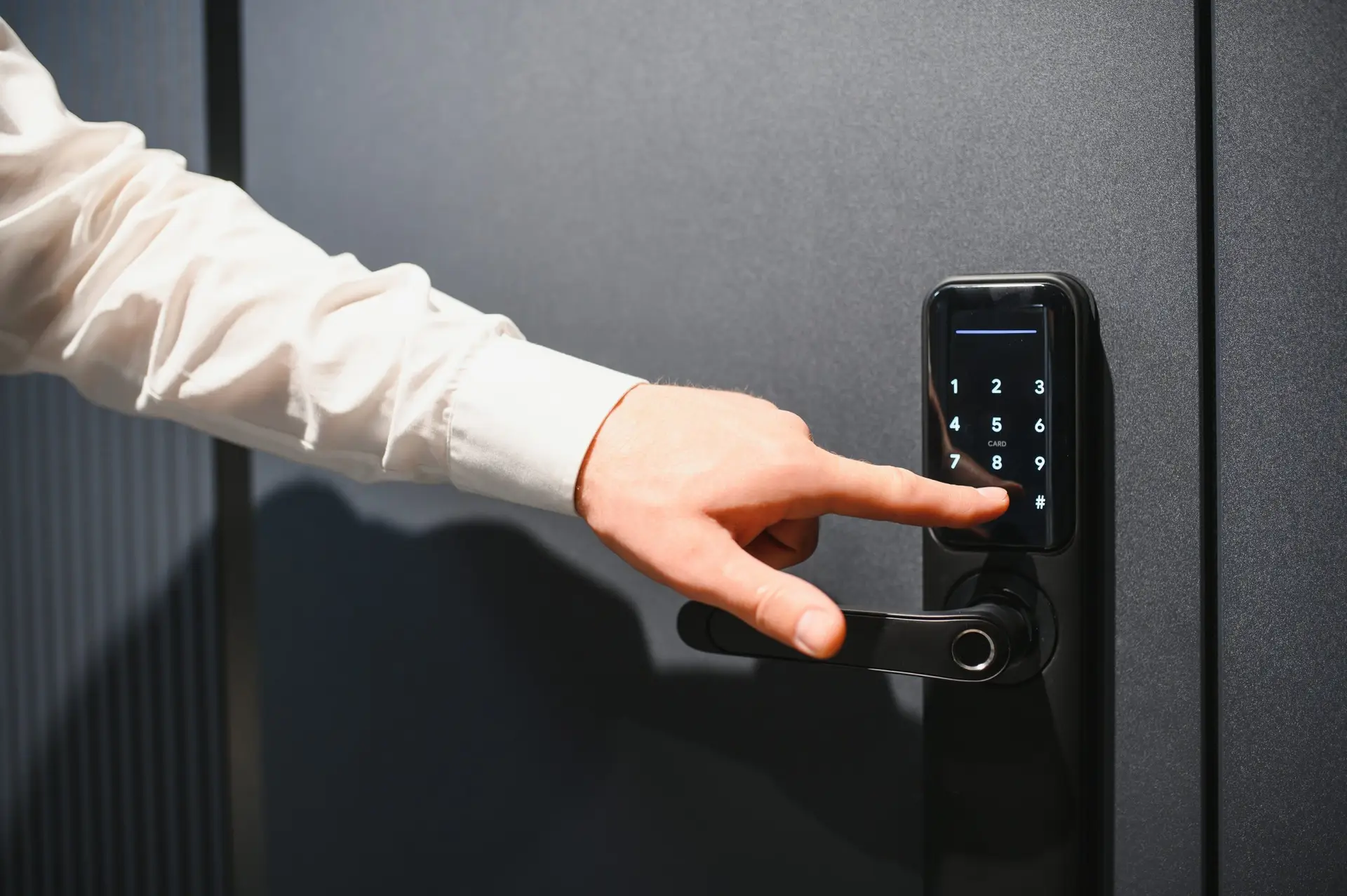

Many homeowners believe a door lock will work perfectly for years without attention. However, small mechanical changes often happen slowly inside the lock. Over time these issues can weaken security and make daily use more difficult. Lock & Locks Locksmith Calgary often sees locks that stopped working simply because hidden wear was ignored for too long.
Therefore, understanding how locks age helps homeowners prevent unexpected failures. A lock does not suddenly break in most cases. Instead, gradual stress, environmental factors, and daily use slowly affect the parts inside the mechanism.
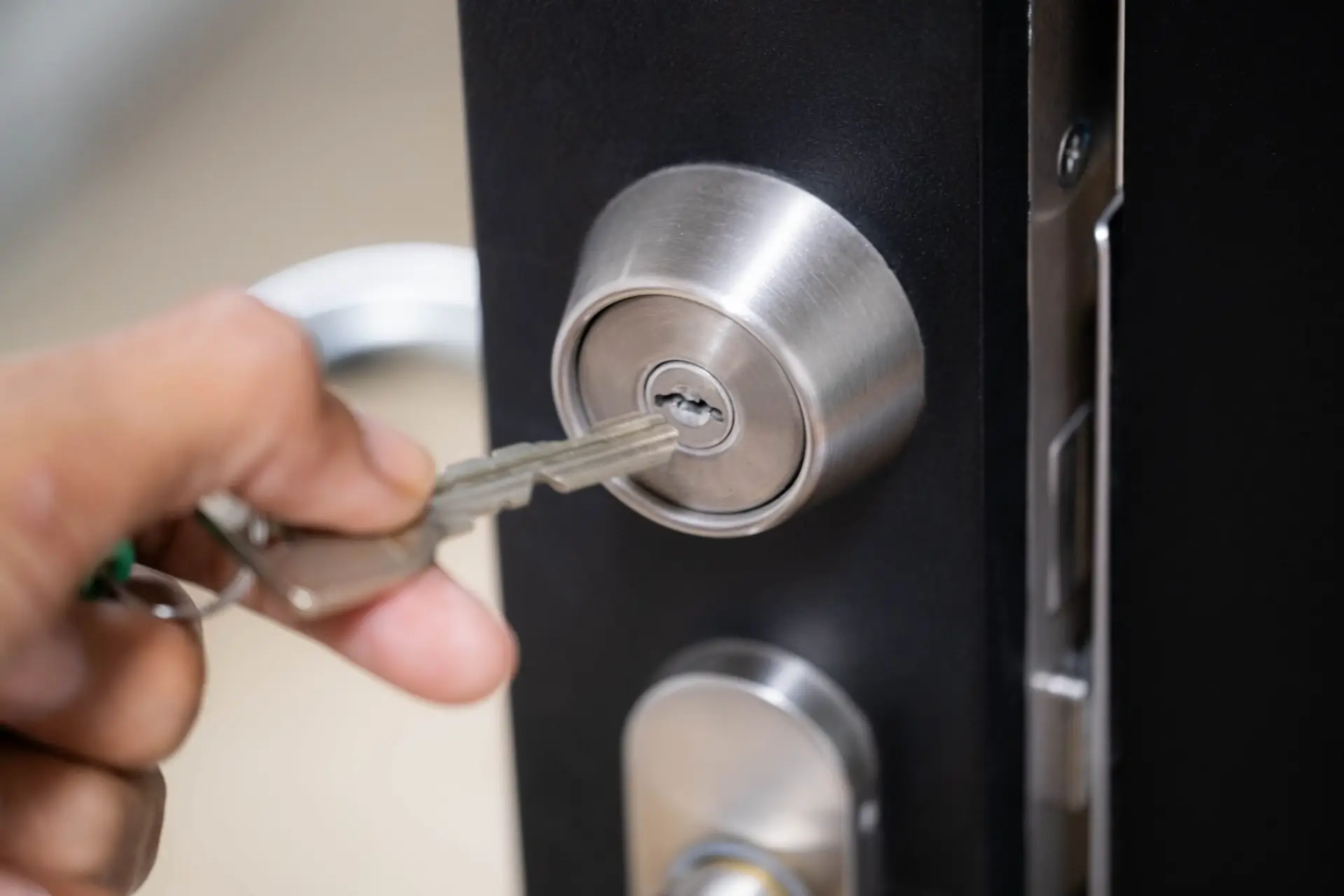
In many homes, the first sign appears when a key begins to turn roughly or sticks inside the cylinder. For example, some people assume the key is the problem. In reality, internal pins or springs inside the lock may already be wearing down.
Homeowners who want to learn more about modern lock systems and security options often explore professional locksmith services through locksmith services in Calgary. Consequently, understanding the early warning signs can help avoid larger security risks.
Everyday Use Slowly Wears Down Lock Mechanisms
Door locks are designed to handle frequent use, yet daily movement gradually affects internal components. Every time a key enters the lock, it pushes small pins into alignment. Over thousands of cycles, these pins begin to wear.
Meanwhile, springs inside the cylinder also lose strength. When this happens, the lock may feel loose or inconsistent when turning the key. In other words, the lock still works but no longer moves smoothly.
For example, many homeowners notice the key must be pushed or jiggled before turning. At first this seems harmless. However, this behavior often indicates internal misalignment.
As a result, continued use without maintenance increases stress on the mechanism. Eventually the pins stop aligning properly, and the lock may refuse to open or close.
Lock & Locks Locksmith Calgary frequently explains that lock wear happens gradually, not instantly. Therefore, paying attention to small changes in how a lock feels can prevent future lockouts.
Weather and Environment Can Damage Locks
Outdoor conditions also affect home locks more than many homeowners realize. In cities like Calgary, temperature shifts, wind, and moisture influence the metal parts inside the cylinder.
During winter, cold air may cause metal components to contract. Consequently, small clearances inside the lock change slightly. Even tiny changes can affect how the key interacts with internal pins.
Likewise, moisture can enter the lock through the keyway. Over time this moisture may cause corrosion or debris buildup. As a result, the pins inside the lock stop moving freely.
Dust and outdoor particles create similar problems. For instance, construction dust or wind-blown dirt can settle inside the mechanism. Gradually these particles interfere with the smooth movement of internal parts.
Homeowners who maintain their door hardware often consult professionals offering residential locksmith services to inspect locks and ensure they function properly. Consequently, regular inspection helps reduce environmental damage before it leads to lock failure.
Poor Door Alignment Can Damage Locks
Another hidden cause of lock problems involves the door itself rather than the lock. When a door shifts slightly within the frame, the latch and strike plate may stop aligning perfectly.
Meanwhile, homeowners may still force the key to turn while the latch remains under pressure. Over time this constant pressure strains the internal parts of the lock.
For example, seasonal changes in humidity can cause doors to expand or contract. As a result, the door may no longer sit perfectly in its frame. The latch then rubs against the strike plate each time the door closes.
In other words, the lock begins working harder every time it operates. Eventually the internal components experience more stress than intended.
Lock & Locks Locksmith Calgary often identifies misalignment as the true cause behind locks that appear broken. Therefore, correcting door alignment sometimes restores smooth lock function without replacing the entire mechanism.
Old Keys Can Contribute to Lock Failure
Keys themselves can also affect lock performance over time. When a key becomes worn, the small grooves that interact with lock pins gradually lose their precise shape.
Consequently, the key no longer lifts the pins exactly as designed. The lock may still open, but the movement becomes rough or inconsistent.
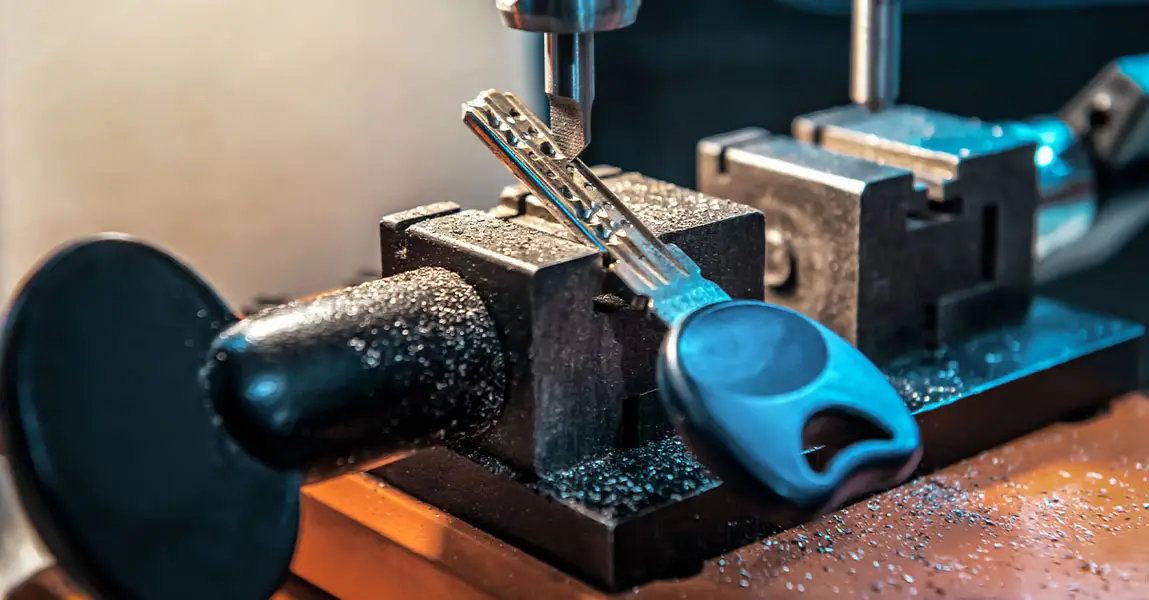
For instance, homeowners who duplicate keys multiple times may unknowingly introduce small variations in the key cuts. Each new copy becomes slightly less accurate.
As a result, the lock mechanism compensates for these imperfections. Eventually the pins begin wearing unevenly, which can lead to a stuck or damaged cylinder.
Lock & Locks Locksmith Calgary often recommends replacing worn keys before they begin damaging the lock itself. In the same vein, maintaining accurate keys protects both convenience and home security.
Lack of Maintenance Shortens Lock Lifespan
Many people assume door locks require no maintenance. However, like any mechanical system, locks benefit from occasional care.
Over time, dust, small metal particles, and dried lubricant may accumulate inside the cylinder. Consequently, internal parts begin moving less freely.
For example, a lock that once turned smoothly may slowly develop resistance. Without cleaning or lubrication, the internal components continue grinding against one another.
In addition, some homeowners attempt to fix sticky locks with improper lubricants. Oils that attract dirt can worsen the situation rather than solve it.
Lock & Locks Locksmith Calgary regularly encounters locks that could have lasted much longer with simple maintenance. Therefore, periodic inspection and proper lubrication can extend the life of most residential locks.
Why Early Attention Prevents Major Lock Problems
Many lock failures start with very small changes that homeowners overlook. A slightly stiff key or a latch that needs extra pressure may seem unimportant at first.
However, these minor symptoms usually signal deeper mechanical wear. Consequently, addressing the issue early can prevent sudden lockouts or security concerns.
For example, replacing worn keys, correcting door alignment, or cleaning internal components can restore proper operation before permanent damage occurs.
Lock & Locks Locksmith Calgary helps homeowners understand how everyday habits influence lock durability. Above all, recognizing early warning signs allows homeowners to maintain reliable home security for many years.
FAQs
Why do home locks stop working even if they look fine?
Locks often fail due to internal wear rather than visible damage. Over time pins, springs, and moving parts gradually wear down. As a result, the lock may appear normal from the outside while internal components stop functioning properly.
How long do residential door locks usually last?
Most residential locks last many years with normal use. However, heavy daily use, weather exposure, and poor maintenance can shorten their lifespan. Therefore, occasional inspection helps detect problems before the lock stops working.
Can weather really affect door locks?
Yes, weather can affect locks significantly. Cold temperatures may cause metal components to contract, while moisture can introduce rust or debris. Consequently, locks exposed to outdoor conditions may require more frequent maintenance.
What are the first signs a lock may fail?
Common early signs include a stiff key, difficulty turning the lock, or a latch that does not align easily with the door frame. In other words, small changes in how the lock feels often indicate internal wear.
Should homeowners replace locks or repair them?
In many cases, locks can be repaired or adjusted rather than replaced. However, if internal components are severely worn or damaged, replacement may be the safest solution to maintain proper home security.
You can read more about our services here: Alberta Business Beat, Your Local Biz, Post Of The Day, Canada Biz Portal, The Canada Best, Calgary Best, The Daily Local.