
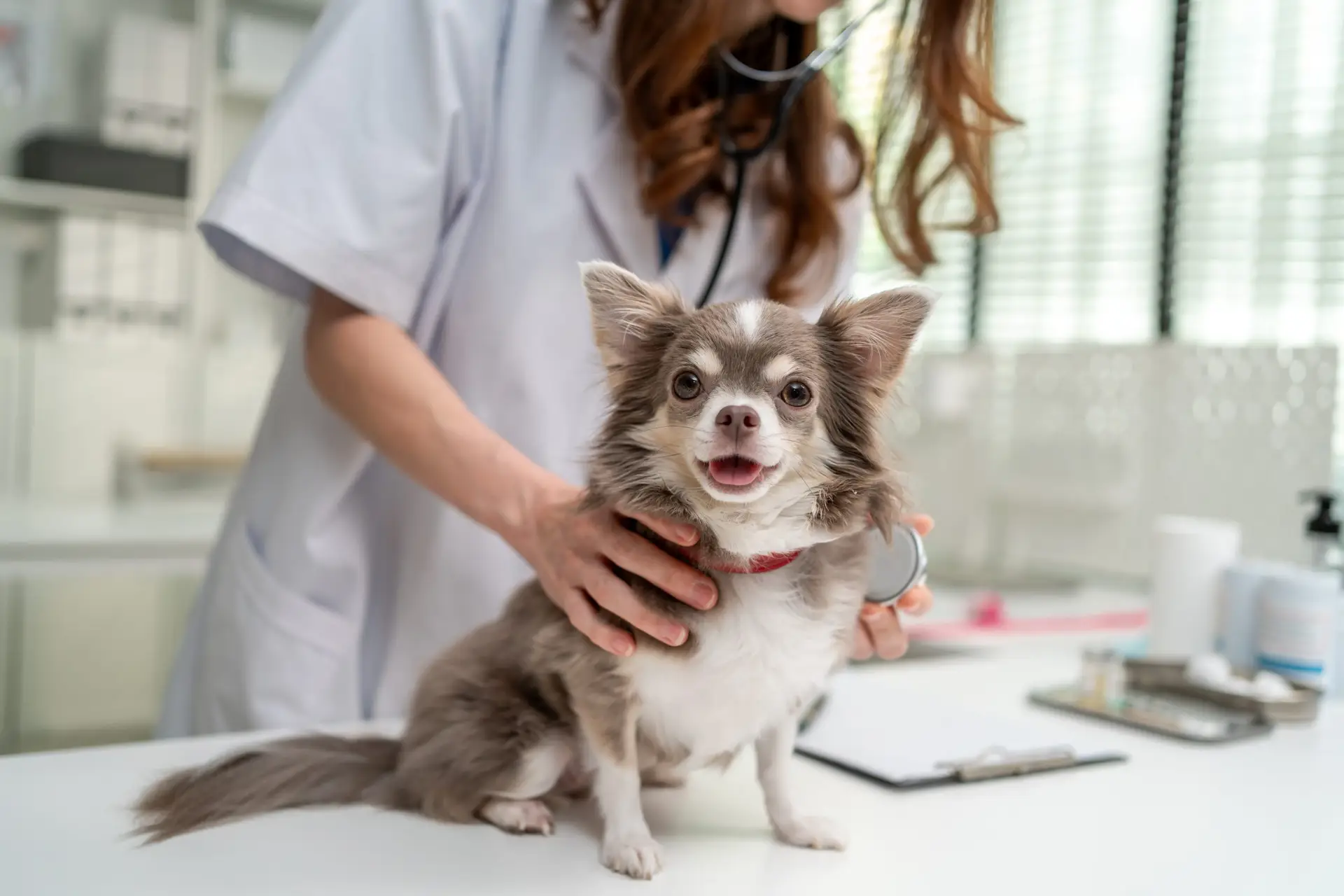

Pets cannot explain when something feels wrong. Therefore, regular health checks help detect problems early and keep animals comfortable throughout their lives. Many pet owners assume that veterinary visits are only necessary when a pet appears sick. However, small changes in weight, skin, teeth, or behavior can signal early health concerns.
At Dr. Wendy VetCare, routine evaluations help identify these subtle changes before they develop into larger issues. Most importantly, simple checks performed during a home visit allow pets to remain relaxed in a familiar environment. As a result, both pets and owners benefit from a calmer and more accurate health assessment.
Why Routine Pet Health Checks Matter
Preventive care is one of the most effective ways to support a pet’s long-term wellbeing. Many diseases develop gradually, which means they may not show obvious symptoms during the early stages. Consequently, regular examinations help veterinarians notice small warning signs that owners may overlook.
For example, a slight weight change or mild skin irritation might seem harmless at first. However, these details can sometimes indicate allergies, infections, or nutritional problems. During a visit, veterinarians review diet, mobility, coat condition, and behavior patterns. In addition, they examine the pet’s overall physical condition to detect early warning signals.
Home visits also allow pets to stay comfortable during the process. Pets that feel relaxed often behave more naturally, which helps veterinarians observe movement, breathing patterns, and general behavior more accurately. Owners can learn more about available veterinary care options through mobile veterinary services designed to make routine checkups easier for pets.
Checking Weight and Body Condition
Weight monitoring is one of the simplest but most important health checks. Pets can gain or lose weight slowly over time, which means many owners may not notice the change immediately. Therefore, veterinarians assess body condition to determine whether a pet maintains a healthy balance.
A healthy body condition supports proper organ function and energy levels. However, excess weight can place stress on joints, the heart, and other organs. Likewise, unexplained weight loss may signal digestive disorders, metabolic conditions, or underlying illness.
During a routine check, veterinarians examine muscle tone, fat distribution, and overall body shape. They may also discuss feeding routines and activity levels with owners. As a result, simple adjustments in diet or exercise can often prevent long-term health problems and improve a pet’s daily comfort.
Dental Health Checks For Pets
Dental health is often overlooked, yet it plays a major role in a pet’s overall wellbeing. Many animals develop plaque and tartar buildup over time, especially if dental care is inconsistent. Consequently, routine dental checks help identify early signs of gum disease or infection.
Veterinarians examine teeth, gums, and breath to detect inflammation or decay. For instance, red gums or persistent bad breath may indicate developing dental disease. If untreated, oral infections can affect other organs such as the heart and kidneys.
Regular dental checks also provide an opportunity to discuss home care practices. Owners can learn proper brushing techniques and suitable dental products for their pets. In addition, early treatment prevents discomfort and helps pets maintain healthy eating habits.
Skin, Coat, and Parasite Checks
A pet’s skin and coat often reveal important clues about their health. Therefore, veterinarians carefully inspect the coat, skin surface, and ears during routine examinations. Healthy fur should appear clean and evenly distributed, while skin should remain free from excessive redness or irritation.
Skin problems may develop due to allergies, parasites, infections, or environmental factors. For example, frequent scratching or hair loss might indicate fleas or mites. Likewise, dry patches or inflammation could signal allergies or dietary imbalances.
Veterinarians also check for external parasites such as ticks or fleas. These pests can spread disease or cause significant irritation if left untreated. Preventive care recommendations often depend on a pet’s environment and lifestyle. Owners can learn more about in-home veterinary visits and how home appointments help simplify routine health checks while keeping pets calm and comfortable.
Mobility and Joint Health
Movement patterns provide valuable information about a pet’s physical condition. During health checks, veterinarians observe how pets walk, sit, and stand. Subtle stiffness or reluctance to move may indicate early joint discomfort.
Arthritis and joint problems are particularly common in aging pets. However, younger animals can also develop mobility issues due to injury or growth changes. Therefore, early detection allows owners to adjust exercise routines or explore supportive treatments.
Veterinarians may gently examine joints, muscles, and range of motion. This helps determine whether inflammation or weakness is affecting mobility. In addition, they may recommend lifestyle changes such as moderate activity, supportive bedding, or weight management.
Behavioral and Emotional Health
A pet’s emotional wellbeing is closely connected to physical health. Behavioral changes often appear before physical symptoms, which makes them an important part of routine health checks. For instance, increased anxiety, sudden aggression, or reduced activity may signal discomfort or illness.
Veterinarians discuss daily habits with owners to understand how pets behave at home. Changes in appetite, sleep patterns, or social interaction may reveal underlying concerns. Likewise, sudden vocalization or hiding behavior could indicate pain or stress.
By reviewing these patterns during regular examinations, veterinarians can identify possible health issues earlier. As a result, pets receive care before problems become severe. Behavioral discussions also help owners create supportive home environments that improve their pet’s comfort and confidence.
FAQs
How often should pets receive routine health checks?
Most pets benefit from annual health examinations. However, senior pets or animals with existing conditions may require more frequent visits. Regular evaluations allow veterinarians to monitor health changes and recommend preventive care when needed.
What signs indicate a pet needs a health check?
Unusual weight changes, reduced appetite, behavioral shifts, or skin irritation may signal health concerns. Even small changes can indicate underlying problems, therefore veterinary evaluation helps identify the cause early.
Are home veterinary visits stressful for pets?
Many pets feel calmer during home visits because they remain in familiar surroundings. As a result, they often behave naturally during the examination, which helps veterinarians perform more accurate assessments.
Do routine checks include dental evaluations?
Yes. Dental health is typically reviewed during routine examinations. Veterinarians check teeth, gums, and breath to detect early signs of dental disease and provide recommendations for home dental care.
Why are preventive health checks important for pets?
Preventive care helps detect health problems before they become serious. Early diagnosis often leads to easier treatment, improved comfort, and a longer, healthier life for pets.
You can read more about our services here: Alberta Business Beat, Your Local Biz, Post Of The Day, Canada Biz Portal, The Canada Best, Calgary Best, The Daily Local.


