
In many industrial systems, the most expensive equipment depends on the smallest components working properly. Compressed air systems are a perfect example. Tiny filtration elements quietly remove moisture, oil, and particles before air reaches sensitive machines. Air Compressors Canada often explains that these filters operate behind the scenes, yet they play a major role in protecting tools, automation systems, and production equipment.
Factories invest thousands of dollars in machines designed to operate with clean compressed air. However, contaminated air can slowly damage internal parts and reduce reliability. Therefore, installing and maintaining proper filtration is not just helpful but essential for protecting long term equipment performance.
Why Compressed Air Needs Filtration
Compressed air may appear clean when it leaves a compressor. However, the compression process naturally introduces contaminants into the system. Dust particles, oil vapour, and water condensation all travel through piping if filtration is missing or insufficient.
These contaminants can reach valves, cylinders, and sensitive pneumatic controls. As a result, small particles may scratch surfaces or block narrow passages inside machines. Moisture also encourages corrosion inside pipelines and equipment.
This is why industrial facilities rely on proper compressed air treatment systems. Companies looking for reliable equipment and guidance often explore solutions through compressed air system solutions, where filtration, drying, and separation equipment work together to maintain clean air supply.
Without filtration, even a high quality compressor cannot protect downstream machinery from contamination.
The Role of Small Filters in System Protection
Air filtration components are often small compared with the rest of the compressed air system. Yet their job is extremely important. These filters remove contaminants before air reaches expensive tools and machinery.
First stage filters typically capture larger particles like dust or rust from piping. Secondly, coalescing filters remove fine oil droplets and aerosol contaminants. Finally, specialized filters remove extremely small particles required in sensitive environments.
Together, these filters create layers of protection throughout the system. Consequently, each stage reduces contamination levels before air travels further down the line.
Air Compressors Canada frequently explains that this layered approach keeps machines operating smoothly. Small filters quietly prevent contamination from damaging seals, bearings, and pneumatic components inside costly equipment.
How Contaminants Damage Expensive Equipment
When filtration is ignored, contaminants can cause a wide range of operational problems. Dust and particles act like abrasive material inside pneumatic equipment. Over time, this slowly wears down seals, valves, and moving parts.
Oil vapour creates another challenge. Excess oil inside air lines can build residue inside equipment. As a result, moving parts may stick or lose precision during operation.
Moisture is often the most damaging contaminant. Condensation inside compressed air systems leads to rust inside pipelines and machinery. Therefore, even small amounts of water can eventually shorten the lifespan of tools and equipment.
Many facilities now use advanced separation technologies like air separation systems to remove moisture and contaminants more effectively. These systems support filtration by separating water and particles before they reach critical equipment.
Together, filtration and separation technologies create a much safer environment for industrial machines.
How Filters Improve Reliability and Efficiency
Clean air does more than protect equipment. It also improves the overall efficiency of a compressed air system.
Machines operating with clean air experience less internal wear. Consequently, they maintain accuracy and performance for longer periods of time. Production lines can run smoothly without unexpected interruptions caused by equipment failure.
Clean air also reduces maintenance requirements. Filters prevent contamination from entering sensitive components, which means fewer breakdowns and fewer repairs.
Another benefit is energy efficiency. When machines operate without contamination, valves and cylinders move smoothly with minimal resistance. As a result, compressed air is used more efficiently throughout the system.
Air Compressors Canada often emphasizes that filtration is one of the simplest ways to extend the life of expensive industrial equipment while maintaining reliable operations.
Maintenance Matters for Filtration Systems
Even the best filters cannot protect machines forever without maintenance. Over time, filters collect contaminants and eventually become clogged. When this happens, airflow restriction increases and system performance begins to decline.
Regular inspection helps prevent this issue. Maintenance teams should monitor pressure drops across filters to identify when replacement is needed. Therefore, simple monitoring can prevent filtration problems from affecting equipment performance.
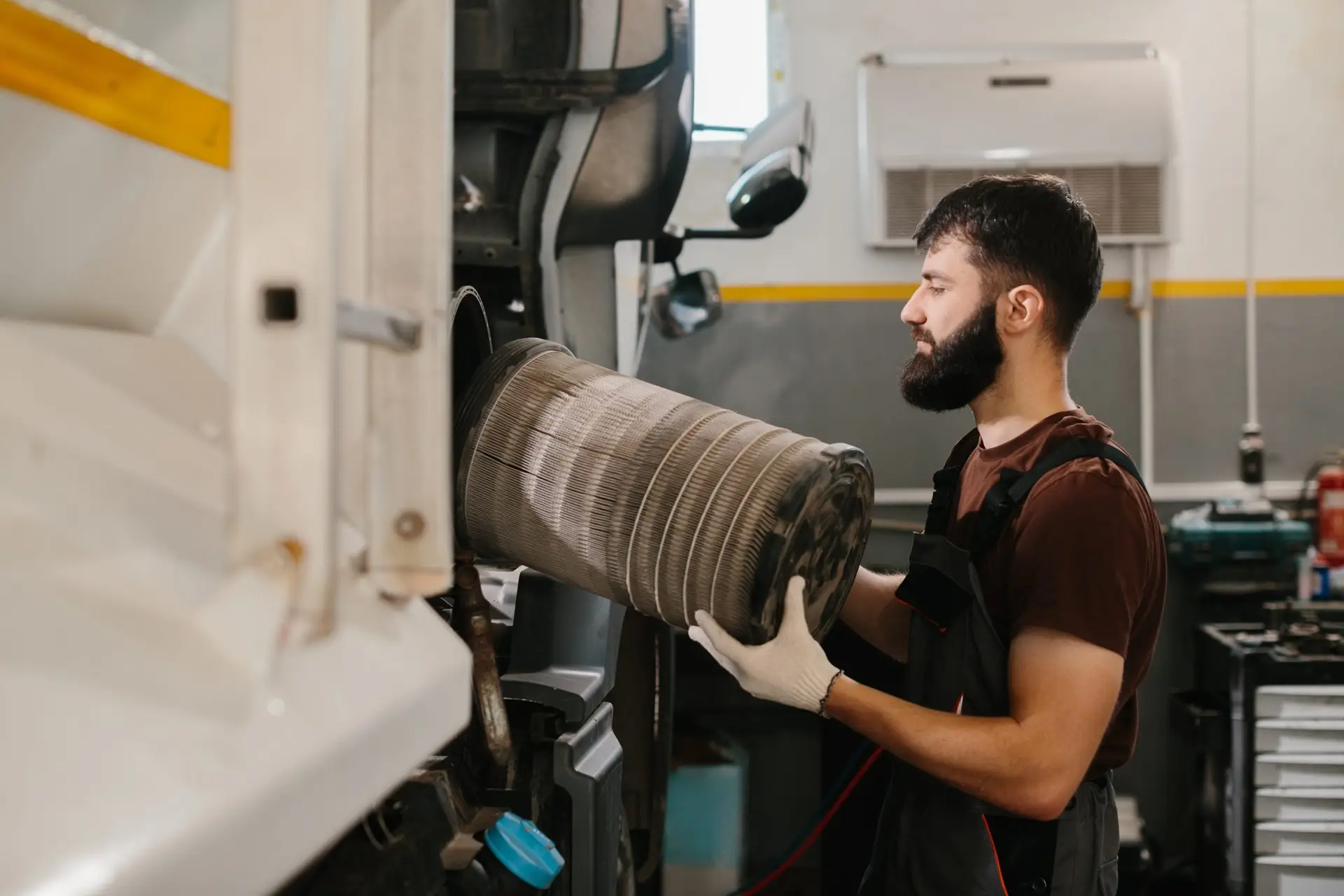
Replacing filters on schedule is also important. Fresh filtration elements maintain optimal airflow while continuing to capture particles, oil, and moisture.
Facilities that follow a routine filtration maintenance schedule often experience fewer system failures. Most importantly, expensive machinery continues to operate safely and efficiently.
Small filters may not attract much attention in large industrial systems. However, their role in protecting equipment is enormous. Clean compressed air ensures that every machine receives the quality air it needs to perform properly.
FAQs
Why are filters important in compressed air systems?
Filters remove contaminants such as dust, oil, and moisture from compressed air. These contaminants can damage pneumatic tools and equipment if they reach internal components. Proper filtration protects machines and helps maintain reliable system performance.
How often should compressed air filters be replaced?
Filter replacement depends on system usage and contamination levels. However, many industrial facilities inspect filters regularly and replace them when pressure drop increases or according to manufacturer maintenance schedules.
What contaminants are commonly found in compressed air?
Compressed air can contain dust particles, oil vapour, water condensation, and rust from pipelines. These contaminants travel through air lines and can damage machines if proper filtration and separation equipment is not installed.
Can small filters really protect expensive equipment?
Yes, even small filtration elements play a critical role in protecting machines. They remove harmful contaminants before air reaches sensitive pneumatic components, which helps prevent wear, corrosion, and mechanical failures.
What happens if compressed air filtration is ignored?
Without filtration, contaminants enter equipment and cause gradual damage. Over time this leads to reduced efficiency, frequent breakdowns, and expensive repairs or equipment replacement. Proper filtration prevents these costly problems.
You can read more about our services here: Alberta Business Beat, Your Local Biz, Post Of The Day, Canada Biz Portal, The Canada Best, Calgary Best, The Daily Local.