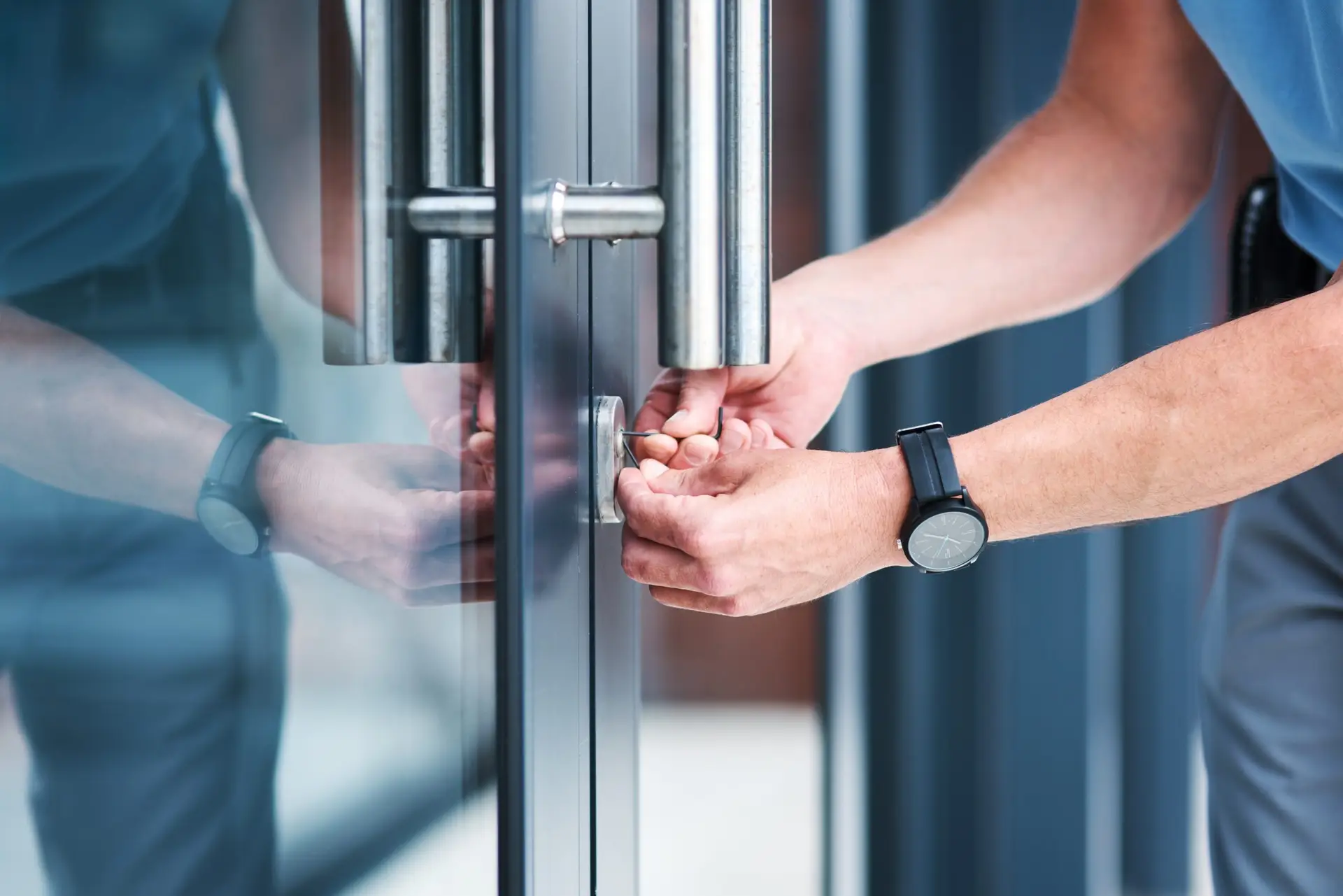

Many homeowners focus on big security upgrades such as cameras or alarm systems. However, the real protection of a house often comes from small lock details that most people overlook. Door hardware, strike plates, key systems, and lock alignment all play an important role in keeping your property safe.
Calgary Locksmith Services often explains that home security is built from layers. Strong locks are important, but the small mechanical parts around them are what determine whether a door truly resists forced entry. When these details work together correctly, a simple lock becomes a powerful barrier.
Understanding these small elements helps homeowners recognize problems early. More importantly, it allows people to improve security without expensive renovations.
Why Small Lock Components Matter More Than You Think
A door lock may look like a single piece of hardware, but it actually includes many components working together. The cylinder, latch, strike plate, screws, and internal pins all contribute to the lock’s strength. If even one of these elements is weak or poorly installed, the entire lock system becomes vulnerable.
For example, many residential doors use short screws in the strike plate. These screws often anchor only into the door frame trim rather than the wall stud. As a result, a strong kick can break the frame even if the lock itself is high quality.
Calgary Locksmith Services regularly sees situations where homeowners install expensive locks but leave the surrounding hardware unchanged. In those cases the lock itself may be strong, yet the door still fails under pressure.
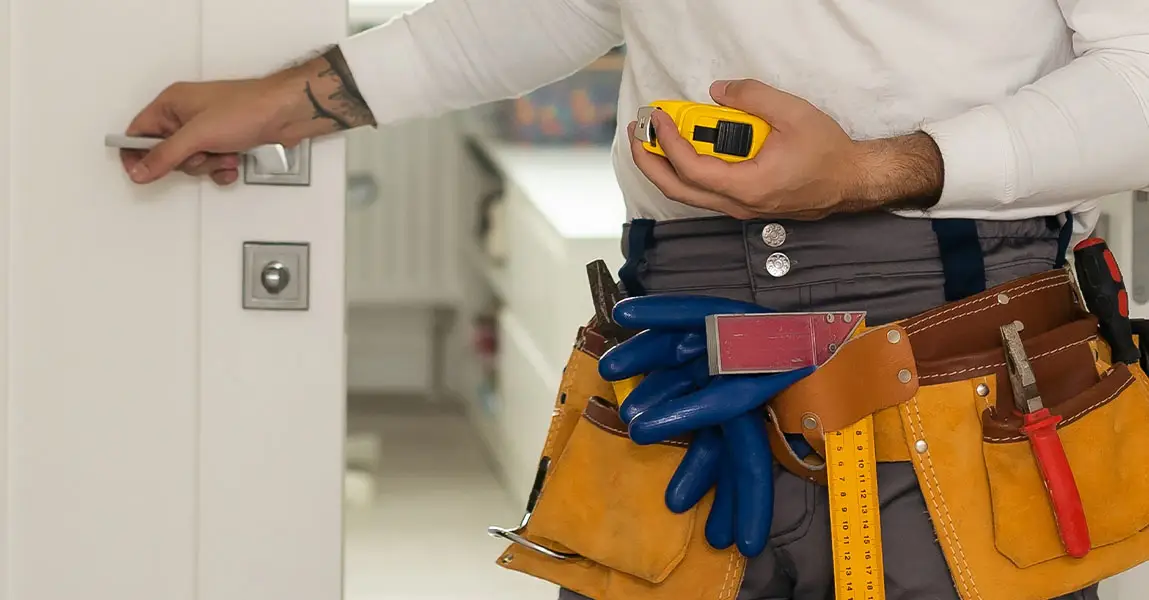
Professional inspection can reveal these weaknesses. Through proper adjustments, reinforcement, and hardware upgrades, a basic door lock can become significantly stronger.
Door Alignment and Latch Engagement
One of the most overlooked details in home security is door alignment. When a door shifts slightly due to seasonal movement, foundation changes, or frame wear, the latch may not fully engage the strike plate.
A partially engaged latch means the door appears locked but is easier to force open. In many break-in attempts, burglars push on the door and the latch slips out because it never fully seated in the strike plate.
This issue becomes more common in older homes where door frames expand or settle over time. A small adjustment to the hinges or strike plate can restore proper alignment and ensure the latch sits securely.
Homeowners who notice doors sticking, rubbing, or requiring extra force to close should take that as a warning sign. Small alignment problems can reduce the effectiveness of even the best locks.
When homeowners need professional help with these adjustments, a reliable locksmith service can inspect the door and correct the alignment issues before they become security risks.
Strike Plates and Reinforcement
Another small detail that makes a major difference is the strike plate. This metal plate sits on the door frame and receives the lock’s latch or deadbolt. Many standard strike plates are thin and secured with short screws.
In forced entry attempts, the strike plate area is the most common failure point. If the screws are short or the metal plate is weak, the door frame can split easily under pressure.
Upgrading the strike plate is one of the most effective and affordable security improvements available. Reinforced strike plates use thicker metal and longer screws that anchor into the structural frame of the wall.
Calgary Locksmith Services often recommends installing security strike plates that use three-inch screws. These screws penetrate deep into the framing lumber behind the door jamb, significantly increasing resistance to forced entry.
Although the upgrade seems small, it dramatically improves the strength of the entire door system.
Lock Cylinders and Key Systems
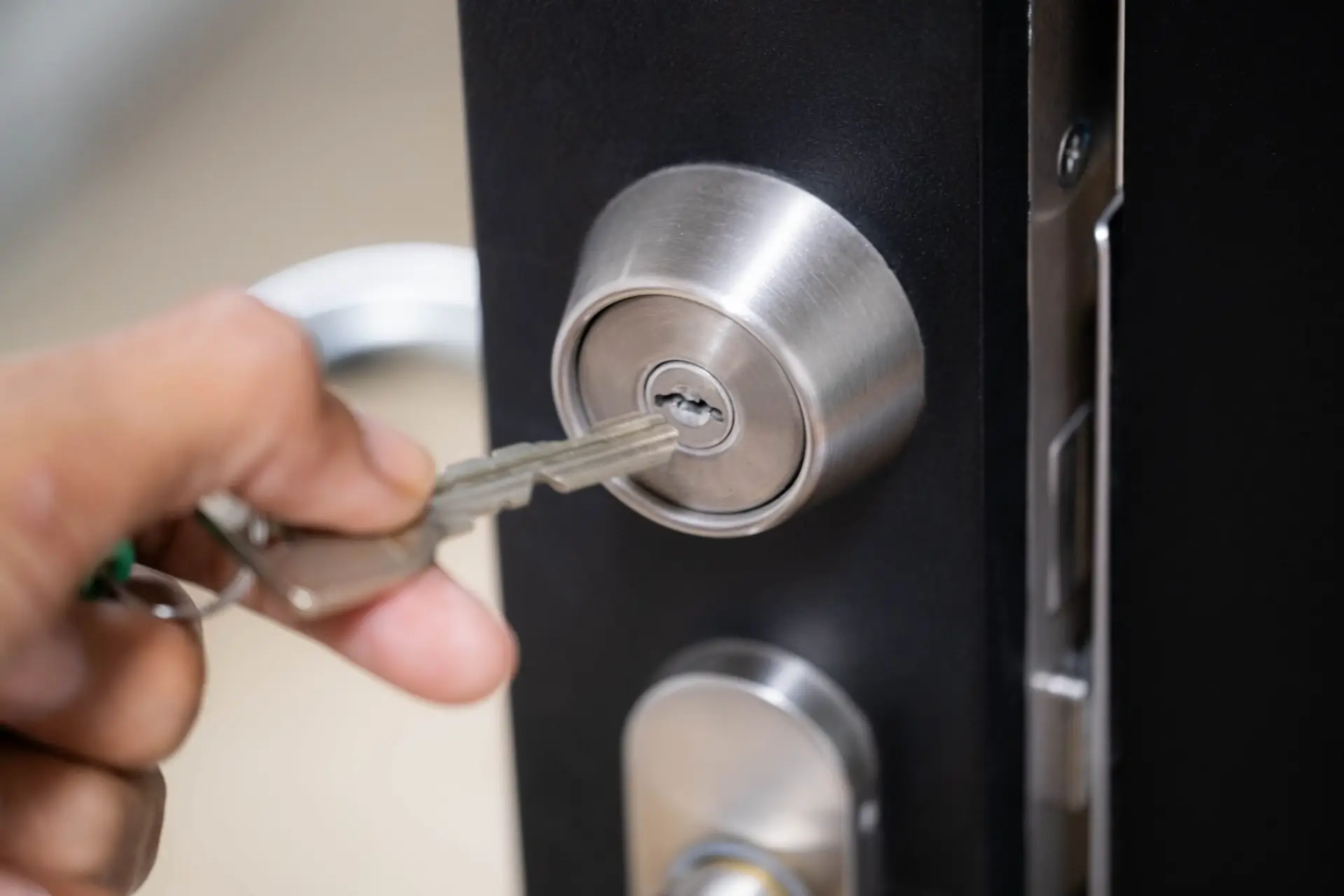
The cylinder is the core of any door lock. This component contains the internal pins that interact with the key. While many locks appear similar from the outside, the quality of the cylinder inside can vary greatly.
Basic residential locks often use simple pin configurations. These locks can sometimes be vulnerable to picking, bumping, or manipulation by experienced intruders.
High quality cylinders include advanced pin designs and tighter manufacturing tolerances. These features make unauthorized entry far more difficult.
Homeowners who want improved security can consider upgrading their locks or consulting professionals who specialize in residential locksmith services. A locksmith can recommend better cylinders, restricted key systems, or upgraded lock models that improve security without changing the entire door.
These upgrades protect homes while maintaining convenience for daily use.
The Role of Proper Lock Installation
Even the strongest lock cannot perform well if it is installed incorrectly. Poor installation can create gaps between the latch and strike plate, loose hardware, or weakened mounting points.
One common mistake is misaligned drilling during installation. If the lock holes are slightly off-center, the latch may not fully extend into the strike plate. This reduces the lock’s strength and can cause premature wear.
Another issue occurs when screws are not tightened properly. Loose hardware allows the lock to shift slightly during use, which eventually leads to mechanical failure.
Calgary Locksmith Services frequently helps homeowners correct installation problems that may not be obvious at first glance. A properly installed lock ensures all components function as intended and deliver maximum security.
Small adjustments during installation can make a major difference in the long-term reliability of a lock system.
Everyday Habits That Affect Lock Security
While hardware plays a large role in security, daily habits also influence how well locks protect a home. For example, many homeowners rely only on the door handle lock instead of using the deadbolt.
Deadbolts provide stronger resistance to forced entry because they extend deeper into the door frame. Using them consistently adds an important layer of protection.
Another common habit involves leaving spare keys in obvious locations. Intruders often check under mats, flower pots, or mailbox areas. Hidden keys may seem convenient, but they reduce overall security.
Homeowners should also pay attention to early warning signs of lock problems. Keys sticking, difficulty turning the cylinder, or loose handles often indicate wear or alignment issues.
Addressing these small concerns early helps prevent bigger problems later.
FAQs
Why are small lock details important for home security?
Small components like strike plates, screws, and door alignment determine how strong a lock system truly is. Even high-quality locks can fail if these surrounding details are weak or poorly installed.
How can I tell if my door lock is not fully engaging?
If your door requires pushing or pulling to lock, or if the latch does not sit fully in the strike plate, the alignment may be off. This reduces the lock’s effectiveness and should be inspected.
Do stronger strike plates really improve security?
Yes. Reinforced strike plates with longer screws anchor into the structural frame behind the door. This makes it much harder for intruders to kick the door open.
Should I upgrade my lock cylinder?
If your locks are older or basic models, upgrading the cylinder can improve resistance against picking and other forms of tampering.
When should I call a locksmith for lock issues?
If your locks feel loose, keys stick, or the door does not close properly, it is best to have a professional inspect the system. Early adjustments help maintain strong home security.
You can read more about our services here: Alberta Business Beat, Your Local Biz, Post Of The Day, Canada Biz Portal, The Canada Best, Calgary Best, The Daily Local.