
Compressed air is one of the most widely used utilities in industrial facilities. Many workshops, manufacturing plants, and production lines rely on it every day to power tools, automate equipment, and support operations. However, many businesses are surprised when they discover that compressed air can actually cost more than electricity itself.
At CFM Air Equipment, this is a topic that frequently comes up when companies review their energy expenses. Although compressed air seems simple, the process of creating, storing, and delivering it requires significant energy. Therefore, understanding where these costs come from helps businesses manage equipment better and avoid unnecessary losses.
The Energy Required To Produce Compressed Air
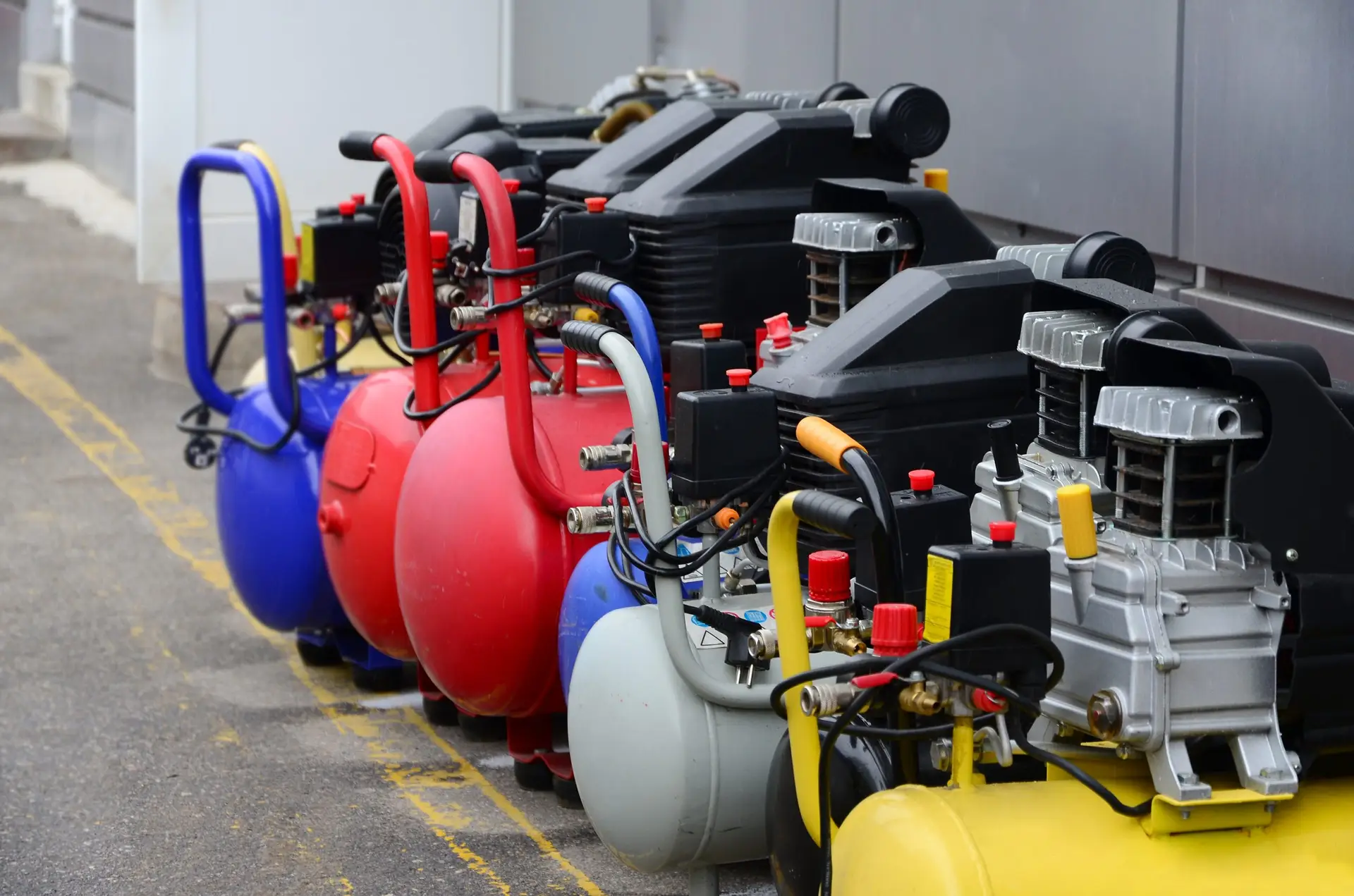
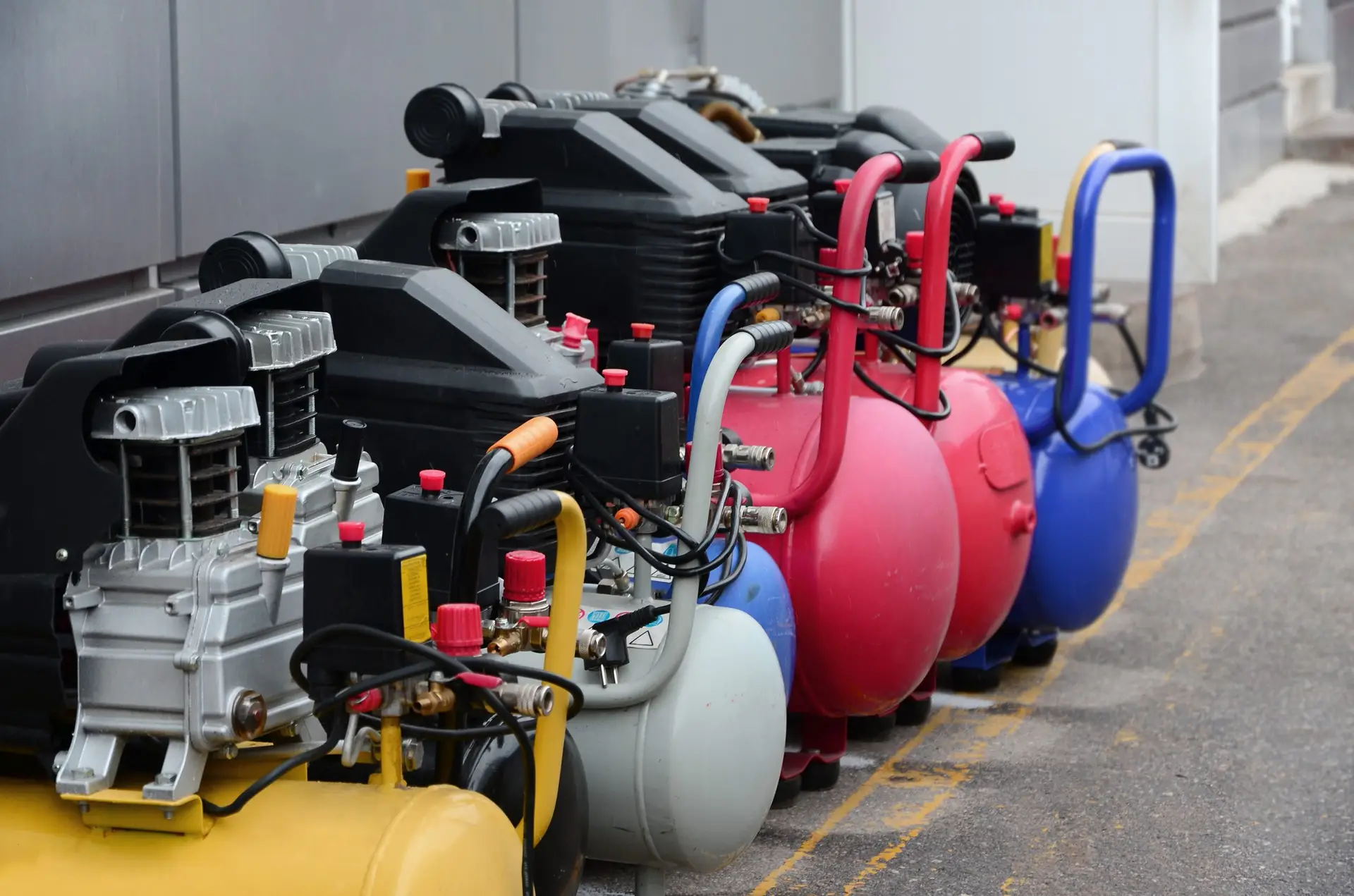
Producing compressed air is not a simple mechanical action. First, air must be drawn into the compressor and then squeezed to a much higher pressure than normal atmospheric levels. As a result, compressors must work continuously and use a large amount of electrical power.
In fact, only a portion of the electrical energy entering a compressor actually becomes usable compressed air. Much of that energy turns into heat during the compression process. Consequently, compressors often consume large amounts of electricity while delivering only part of that energy as useful air power.
Facilities that rely heavily on pneumatic systems often benefit from evaluating their compressed air setup. Many companies review their equipment performance through solutions such as compressed air system support, which helps identify inefficiencies and opportunities to reduce energy use.
Air Leaks That Waste Energy
Air leaks are one of the biggest reasons compressed air becomes expensive. Even a small leak in a system can release a surprising amount of air over time. Therefore, compressors must run longer to maintain system pressure.
Leaks commonly appear around fittings, hoses, valves, and connectors. In older systems, worn seals and aging pipes may also create hidden leaks that are difficult to detect. Consequently, compressors may operate more frequently than necessary, increasing electricity costs.
Facilities often discover that repairing leaks dramatically reduces energy use. Regular inspection programs and proper maintenance help keep systems sealed and efficient. As a result, compressors operate less often and energy consumption drops.
Pressure Levels That Are Higher Than Necessary
Many compressed air systems run at pressure levels that are higher than required for tools or equipment. Operators sometimes increase pressure to compensate for leaks or poor system design. However, higher pressure requires more compressor power.
Every small increase in pressure forces compressors to work harder. Therefore, electricity usage rises even though the extra pressure may not improve production. In many cases, simply adjusting pressure settings to match equipment requirements can reduce operating costs.
Companies sometimes evaluate pressure needs when reviewing equipment upgrades or temporary system changes. For example, operations expanding production may use flexible equipment solutions like compressed air equipment rentals to support demand while maintaining efficient pressure control.
Heat Loss During Compression
Heat is another factor that increases the cost of compressed air. When air is compressed, its temperature rises dramatically. Consequently, a large amount of energy leaves the system in the form of heat.
Industrial compressors often require cooling systems to manage this heat. Fans, cooling systems, and ventilation all consume additional electricity. As a result, the overall energy required to produce compressed air continues to increase.
Some modern systems attempt to recover part of this heat and reuse it for facility heating or water heating. However, many systems still lose this energy entirely. Therefore, improving compressor efficiency and heat recovery can significantly reduce operating expenses.
Poor System Design And Air Distribution
Compressed air must travel through piping systems before reaching tools and machinery. If the piping network is poorly designed, air pressure can drop before it reaches the equipment. Consequently, compressors may need to run longer to maintain pressure throughout the system.
Long pipe runs, sharp bends, undersized pipes, and improper layout can all create resistance that reduces efficiency. As a result, compressors consume more electricity just to compensate for pressure loss in the distribution network.
Well designed piping systems allow air to move smoothly and efficiently through the facility. Proper layout reduces pressure drop and improves airflow consistency. Therefore, the compressor system operates with less strain and lower energy consumption.
Maintenance That Impacts Energy Efficiency
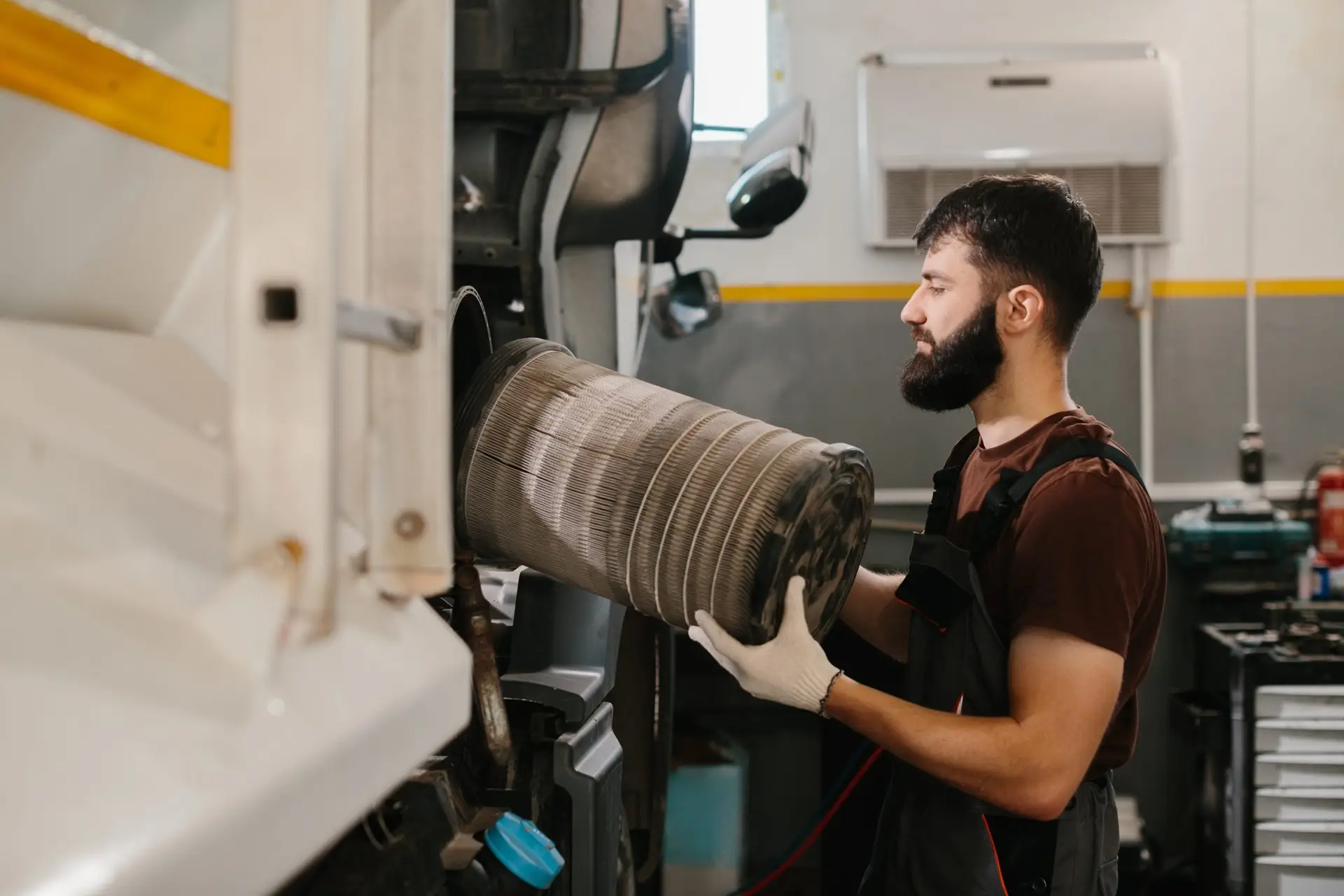
Maintenance also plays a major role in compressed air costs. Dirty filters, worn components, and poorly maintained dryers can all reduce system efficiency. Consequently, compressors must work harder to deliver the same level of air output.
Regular maintenance keeps air filters clean, lubrication systems working properly, and cooling components functioning efficiently. Therefore, compressors operate more smoothly and require less electrical power.
CFM Air Equipment often helps facilities review maintenance schedules and equipment performance. Preventive maintenance programs allow businesses to identify problems early and maintain stable compressed air performance over time.
Understanding The True Cost Of Compressed Air
Many businesses initially focus on the purchase price of a compressor. However, the real cost of compressed air comes from energy consumption over the life of the equipment. Electricity required to operate compressors can represent the majority of the total operating cost.
Therefore, improving system efficiency often delivers the biggest savings. Leak detection, pressure optimization, equipment upgrades, and proper system design all contribute to lower operating expenses.
Understanding these factors allows facilities to make better decisions about equipment selection, maintenance planning, and system improvements. As a result, compressed air systems become more reliable, efficient, and cost effective.
FAQs
Why is compressed air considered an expensive utility?
Compressed air requires large amounts of electricity to produce. Much of the energy used by compressors is lost as heat during the compression process, which means only a portion becomes usable air power.
What causes compressed air systems to waste energy?
Common causes include air leaks, excessive pressure settings, poor piping design, and lack of maintenance. These problems force compressors to run longer and consume more electricity.
How do air leaks increase compressed air costs?
Leaks allow compressed air to escape from the system continuously. Therefore, compressors must cycle more frequently to maintain pressure, which increases electricity consumption and operating costs.
Can lowering system pressure reduce energy costs?
Yes, lowering pressure to match equipment requirements can significantly reduce compressor workload. Consequently, electricity use decreases while maintaining proper tool performance.
How often should compressed air systems be inspected?
Most facilities inspect their systems regularly as part of preventive maintenance programs. Routine inspections help detect leaks, worn components, and inefficiencies before they increase operating costs.
You can read more about our services here: Alberta Business Beat, Your Local Biz, Post Of The Day, Canada Biz Portal, The Canada Best, Calgary Best, The Daily Local.