
Your garage door springs handle most of the heavy lifting every day. When these parts start wearing out, the entire garage door system can become unsafe and unreliable. Many homeowners wait until a spring snaps completely, however, the warning signs usually appear weeks or even months earlier. Knowing what to watch for can help you avoid emergency repairs, property damage, and sudden garage access problems.
True Fix Garage Doors helps Calgary homeowners identify spring issues early before they turn into larger repair problems. In many cases, replacing worn springs at the right time protects other garage door components and keeps the system operating safely through every season.
Why Garage Door Springs Wear Out Over Time
Garage door springs work under high tension every time the door opens or closes. Most systems use either torsion springs or extension springs, and both types eventually lose strength after thousands of cycles. In Calgary, temperature changes can also affect spring performance. Cold winters, moisture, and daily use create extra stress on metal components.
Many homeowners do not realize that weakened springs place additional pressure on cables, rollers, tracks, and openers. As a result, a small spring issue can slowly lead to larger mechanical failures. Regular inspections and timely repairs help prevent unexpected breakdowns and reduce long term repair costs.
If you notice unusual garage door movement, it may be time to schedule a professional inspection through garage door repair services. Early service often prevents emergency situations and keeps the system balanced properly.
Your Garage Door Feels Heavier Than Normal
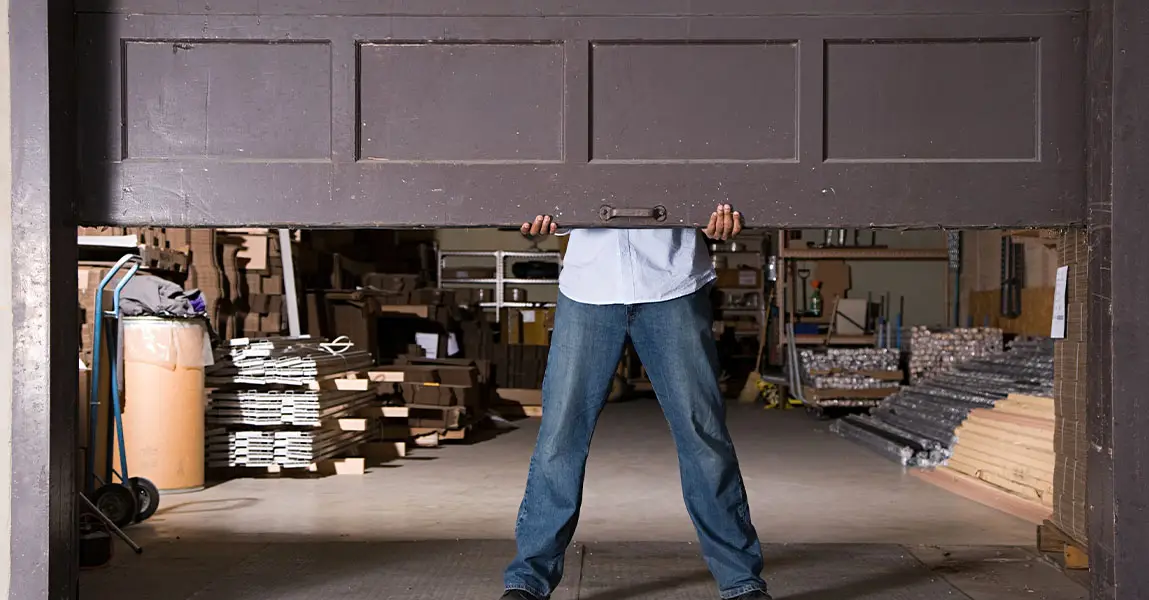
One of the clearest warning signs is a garage door that suddenly feels heavier when lifted manually. Springs are designed to balance the full weight of the door. When they weaken, the opener or homeowner must handle more of that weight directly.
You may notice the opener struggling during operation or hear louder motor sounds during opening cycles. In some situations, the door may stop halfway or move unevenly. These problems often appear gradually, therefore, many people ignore them until the spring breaks completely.
A heavy garage door is more than an inconvenience. It can become dangerous if the opener fails or the door closes unexpectedly. Replacing aging springs before total failure helps maintain smooth movement and prevents added strain on the entire garage door system.
The Door Opens Crooked or Uneven
Garage doors should move evenly along both sides of the track. If one side rises faster than the other, the springs may no longer provide equal tension. Uneven lifting usually indicates that one spring is weakening faster than the other.
This issue can place extra pressure on cables and rollers. Consequently, continued use may cause the door to jam or come off track entirely. In severe cases, damaged cables can snap under tension and create safety hazards inside the garage.
Homeowners sometimes mistake this problem for a track issue, however, spring imbalance is often the real cause. A professional inspection can determine whether spring replacement is needed before additional damage occurs.
Loud Noises During Garage Door Operation
Garage doors naturally produce some operational sound, but sudden loud noises should never be ignored. Popping, banging, squeaking, or snapping sounds often indicate spring deterioration. In particular, torsion springs may produce a sharp bang when internal tension begins failing.
Old springs can also create grinding sounds because the system loses proper balance. Meanwhile, the opener may compensate by working harder than normal. These noises usually become more frequent over time.
Many homeowners first notice sounds during colder weather because metal contracts in low temperatures. Although lubrication may temporarily reduce noise, worn springs still require replacement to restore safe operation.
If your opener also shows signs of strain, professional garage door opener installation may help improve overall reliability when paired with new springs.
Visible Gaps or Damage in the Springs
A visual inspection can sometimes reveal clear spring damage before total failure occurs. Torsion springs may develop visible gaps between coils when tension weakens. Rust, corrosion, or stretching also indicate that the metal is approaching the end of its lifespan.
Extension springs may appear elongated or uneven compared to their original shape. In addition, frayed cables nearby often suggest excessive strain caused by failing springs.
Homeowners should avoid touching or adjusting springs directly because these components remain under high tension. Even damaged springs can release dangerous force unexpectedly. Professional replacement is always the safest option when physical damage appears.
The Garage Door Closes Too Fast
A properly functioning spring system controls the speed of the garage door as it lowers. When springs weaken, the door may begin closing faster than normal or slam shut suddenly. This issue creates serious safety risks for vehicles, children, pets, and anyone nearby.
Fast closing movement also increases wear on rollers, hinges, and opener components. Therefore, ignoring the problem can lead to more expensive repairs later. In some cases, homeowners notice slight speed changes long before the door begins slamming completely.
Testing door balance occasionally helps identify these issues early. If the door feels unstable or difficult to control manually, spring replacement may already be necessary.
Increased Energy and Opener Strain
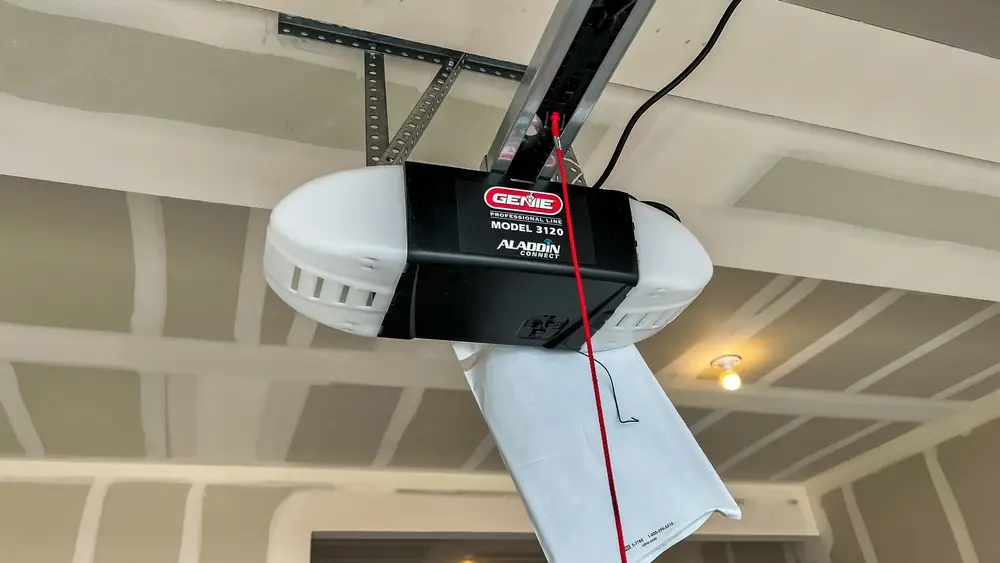
Garage door openers are designed to guide movement, not carry the full weight of the door. Weak springs force the opener motor to work much harder during every cycle. As a result, motors may overheat, gears may wear out faster, and opener lifespan decreases significantly.
You may notice delayed response times, jerky movement, or inconsistent opening patterns. Some systems may even reverse unexpectedly because the opener detects excessive resistance.
Replacing springs before complete failure protects the opener and helps maintain reliable daily operation. This preventative approach often saves homeowners from dealing with multiple repairs at once.
FAQs
How long do garage door springs usually last?
Most garage door springs last between 7 and 15 years depending on usage frequency, maintenance, weather conditions, and spring quality. Homes with multiple daily cycles may experience faster wear over time.
Can I replace garage door springs myself?
Garage door spring replacement is dangerous because springs remain under high tension. Professional technicians use specialized tools and safety procedures to prevent injuries and system damage during installation.
What happens if a garage door spring breaks suddenly?
A broken spring can stop the garage door from opening properly or cause the door to slam shut unexpectedly. In some situations, the opener may also become damaged from excessive strain.
Are torsion springs better than extension springs?
Torsion springs generally provide smoother operation, better balance, and longer lifespan compared to extension springs. They also tend to operate more quietly and safely in modern garage door systems.
How do I know if both springs need replacement?
If one spring fails, the second spring is usually near the end of its lifespan as well. Replacing both springs together helps maintain balanced operation and prevents another breakdown shortly afterward.