
When people think about a house fire, they often imagine flames causing the most destruction. However, the damage does not always stop when the fire is extinguished. Smoke spreads rapidly through a property and leaves behind contamination that can affect every room. As a result, many homeowners discover that smoke damage creates more long-term problems than the fire itself.
Smoke particles travel through vents, cracks, and open spaces inside a building. Consequently, areas far from the original fire can still become heavily affected. Professionals at YYC Asbestos Removal often explain that smoke residue can settle deep inside materials and continue damaging a property long after visible fire damage has been repaired.
How Smoke Travels Beyond the Fire
Fire usually damages the area where it starts. Smoke, however, behaves very differently. It moves freely through the air and spreads quickly through hallways, ventilation systems, and ceiling cavities. Therefore, a small kitchen fire can affect bedrooms, storage rooms, and even basements.
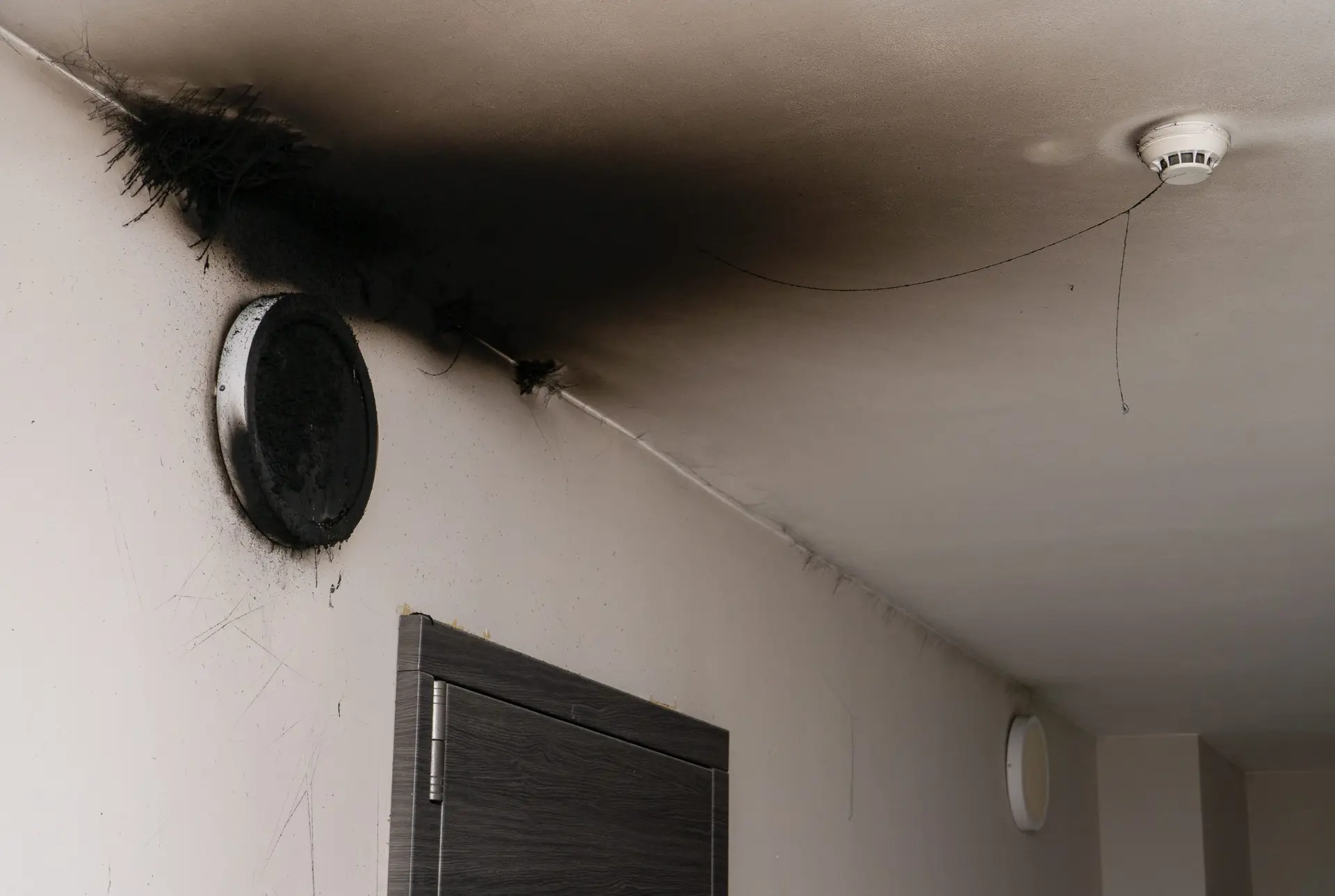
During a fire, smoke follows airflow patterns inside the building. As a result, it can travel through ductwork and reach areas that were completely untouched by flames. Homeowners often notice dark residue or stains appearing in unexpected places days after the fire occurred.
In addition, smoke particles are extremely small. They settle on surfaces such as walls, furniture, clothing, and electronics. Because of this, the contamination can spread across the entire structure even when the fire was limited to a single room.
The Hidden Damage Smoke Leaves Behind
Smoke damage is not always easy to see. That is to say, a room may appear normal while still containing harmful soot particles embedded in surfaces. These particles contain chemicals that can slowly damage materials throughout the property.
For instance, smoke residue may cling to paint, wood, plastic, and fabrics. Meanwhile, acidic compounds within soot can cause corrosion on metals and electronic components. Over time, these effects may ruin appliances, wiring, and structural materials.
Many property owners learn that restoration requires more than simple cleaning. Information about proper recovery methods can often be found through professional remediation services, which explain how contaminated materials must be cleaned or replaced carefully.
Without proper treatment, smoke contamination can remain inside the structure and continue affecting the property long after the fire is gone.
Why Smoke Odor Is So Persistent
One of the most frustrating problems after a fire is the smell of smoke. Even when soot stains are removed, the odor may remain in the building. This happens because smoke particles become trapped inside porous materials.
Carpets, drywall, insulation, and upholstery absorb smoke quickly. Consequently, these materials slowly release odors back into the air over time. Standard cleaning products often remove only surface contamination while deeper particles remain.
Professional restoration teams use specialized equipment to remove these hidden particles. For example, air filtration systems, thermal fogging, and deep cleaning methods are used to neutralize odors. These techniques target the source of the smell rather than simply masking it.
Proper treatment ensures that smoke odors do not continue returning months after the fire incident.
Health Risks Linked to Smoke Residue
Smoke damage can also affect the health of people living in the property. Smoke contains a mixture of chemicals released when materials burn. Therefore, breathing in these particles can irritate the lungs, eyes, and skin.
People with asthma or respiratory conditions may experience stronger reactions. For example, lingering soot inside carpets or ventilation systems can worsen breathing problems and allergies.
Another issue often appears after the fire is extinguished. Water used during firefighting can soak into walls and flooring. Meanwhile, damp materials combined with smoke residue may create the perfect environment for microbial growth. In these situations, property owners may need additional help such as mold remediation to restore healthy indoor conditions.
Addressing both moisture and smoke contamination helps prevent long-term health risks and structural damage.
Why Professional Smoke Restoration Matters
Smoke damage restoration requires careful inspection and specialized equipment. Simply repainting walls or wiping surfaces rarely solves the problem. Smoke particles can remain hidden in insulation, vents, and structural materials.
Restoration specialists begin by evaluating how far smoke contamination has spread. After that, they remove soot from surfaces, clean ventilation systems, and treat indoor air. In some cases, damaged materials must be replaced to fully eliminate contamination.
The team at YYC Asbestos Removal understands that smoke damage can affect far more than the area where the fire started. Proper restoration focuses on removing hidden residues, restoring safe air quality, and preventing further deterioration.
Although fire damage is immediately visible, smoke contamination often causes deeper and more widespread problems. Addressing it quickly and thoroughly is essential for protecting both the property and the people who live inside it.
FAQs
Why can smoke damage affect rooms far from the fire?
Smoke travels through air vents, door gaps, and structural openings. As a result, it can spread throughout the building and contaminate areas that flames never reached.
Can smoke permanently damage household items?
Yes, smoke residue contains chemicals that can corrode metals, stain surfaces, and damage electronics. Without proper cleaning, many items may deteriorate over time.
Why does smoke odor stay in a home for so long?
Smoke particles embed themselves deep inside porous materials like carpets, upholstery, and drywall. Consequently, these materials slowly release odors even after visible soot is cleaned.
Is smoke damage harmful to health?
Smoke particles contain chemical compounds that can irritate the lungs and eyes. People with allergies or respiratory conditions may experience stronger reactions if smoke contamination remains inside the home.
When should professional restoration be considered?
Professional restoration should begin as soon as possible after a fire. Early cleanup helps remove smoke residue, protect indoor air quality, and prevent long-term structural damage.
You can read more about our services here: Alberta Business Beat, Your Local Biz, Post Of The Day, Canada Biz Portal, The Canada Best, Calgary Best, The Daily Local.