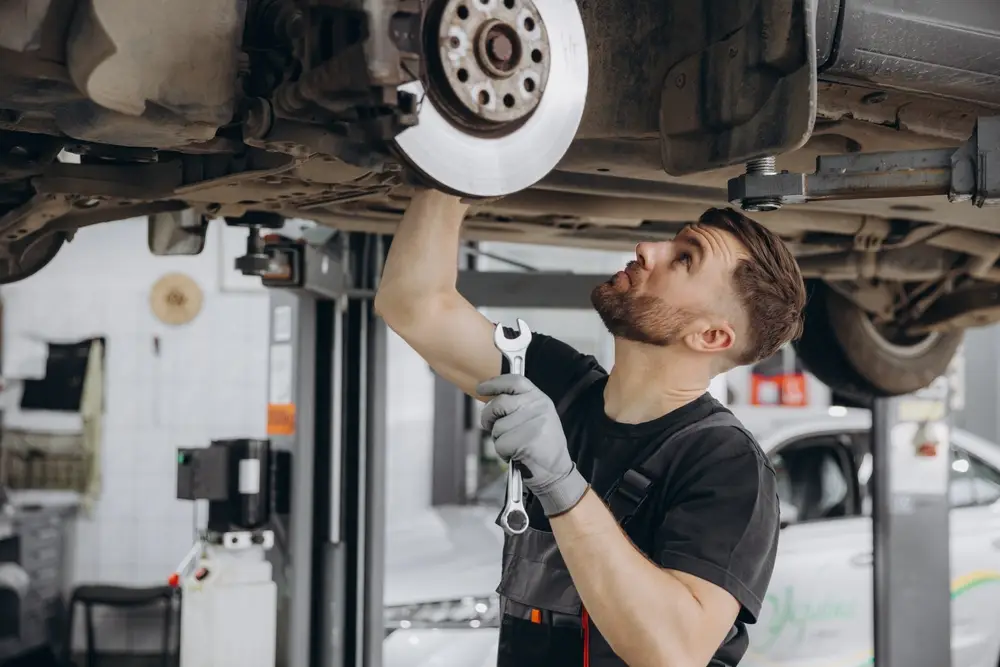

German cars are engineered beautifully, but like any vehicle, they develop certain predictable weak points as they age. Among the most common are oil and coolant leaks, often from specific gaskets and seals that wear over time. A small leak is easy to ignore, especially if the car still runs fine, but that is exactly the wrong approach. At German Automotive Repair in Airdrie, we see how a minor seep becomes a major problem when it is left too long. Here is what to watch for and why early action pays off.
Where German Cars Tend to Leak
Certain gaskets and seals are known trouble spots on BMW, Audi, Mercedes, VW, and Porsche engines as they accumulate kilometres.
| Common leak source | What leaks |
|---|---|
| Valve cover gasket | Engine oil, often onto hot components |
| Oil filter housing gasket | Engine oil |
| Oil pan gasket | Engine oil |
| Water pump | Coolant |
| Thermostat housing | Coolant |
| Expansion tank and hoses | Coolant |
Valve cover gaskets and oil filter housing gaskets are especially common oil-leak sources, while water pumps and plastic coolant components are frequent coolant-leak points. Spotting them early is part of routine German car maintenance in Airdrie.
Why a Small Leak Isn’t Small for Long
The temptation is to top up the oil or coolant and carry on. The problem is that leaks do not stay the same size; they grow. And where the fluid goes matters. Oil leaking onto hot engine or exhaust components creates smoke, odour, and in the worst case a fire risk. Coolant leaking away leads to low coolant, which can cause the engine to overheat, and overheating a German engine can cause severe, lasting damage.
So a leak is not just about the puddle on your garage floor. It is about what that lost fluid was protecting, and what the leaking fluid lands on. That is why we treat even minor seeps seriously.
Catch It by the Signs
You can often catch a leak early if you know the signs. Spots or puddles under the car, oil being consumed between changes, a sweet smell (coolant) or a burning-oil smell, the temperature gauge creeping up, or visible residue and grime on the engine all point to a leak. If you notice any of these, having the source identified through a proper diagnostic is the sensible next step, because pinpointing exactly which gasket or component is leaking is what makes the repair efficient.
The Alberta Climate Factor
Our climate adds stress to these components. The extreme temperature swings, hot summers and deep-freeze winters, are hard on gaskets, seals, and especially the plastic coolant components common in German cars. Repeated expansion and contraction makes them brittle over time. This is part of why proactive attention matters here; the conditions accelerate the wear that leads to leaks.
Repair, Don’t Just Top Up
The most common mistake we see is the ongoing top-up: adding a bit of oil or coolant every few weeks and treating that as a solution. It is not. Topping up masks a leak that is still getting worse, and it means you are relying on remembering to check levels to avoid running low, on the day you forget, the engine is the one that pays. Fixing the source, usually a gasket or seal, ends the cycle and removes the risk. For a well-built German engine, that is a small repair that protects a very valuable component.
Frequently Asked Questions
Where do German cars commonly leak oil and coolant?
Common oil-leak sources include the valve cover gasket, oil filter housing gasket, and oil pan gasket. Coolant often leaks from the water pump, thermostat housing, or plastic expansion tank and hoses as they age.
Is a small leak safe to ignore for a while?
No. Leaks grow, and where the fluid goes matters. Oil on hot components creates smoke, odour, and a fire risk, while lost coolant can cause overheating, which can seriously damage a German engine. Early repair is far better.
How do I know if my car is leaking?
Look for spots or puddles under the car, fluid being consumed between services, a sweet or burning smell, a rising temperature gauge, or grime on the engine. Any of these warrant having the source diagnosed.
Does Alberta’s climate make leaks worse?
Yes. Extreme temperature swings stress gaskets, seals, and the plastic coolant components common in German cars, making them brittle over time. The conditions accelerate the wear that leads to leaks.
Fix the Leak Before It Grows
A minor seep addressed early is a simple repair; ignored, it can become a major one. German Automotive Repair in Airdrie finds and fixes leaks properly.
Call German Automotive Repair at 403-912-0608, or visit 79 East Lake Cir NE, Airdrie, AB. We serve Airdrie and area, Monday to Friday.