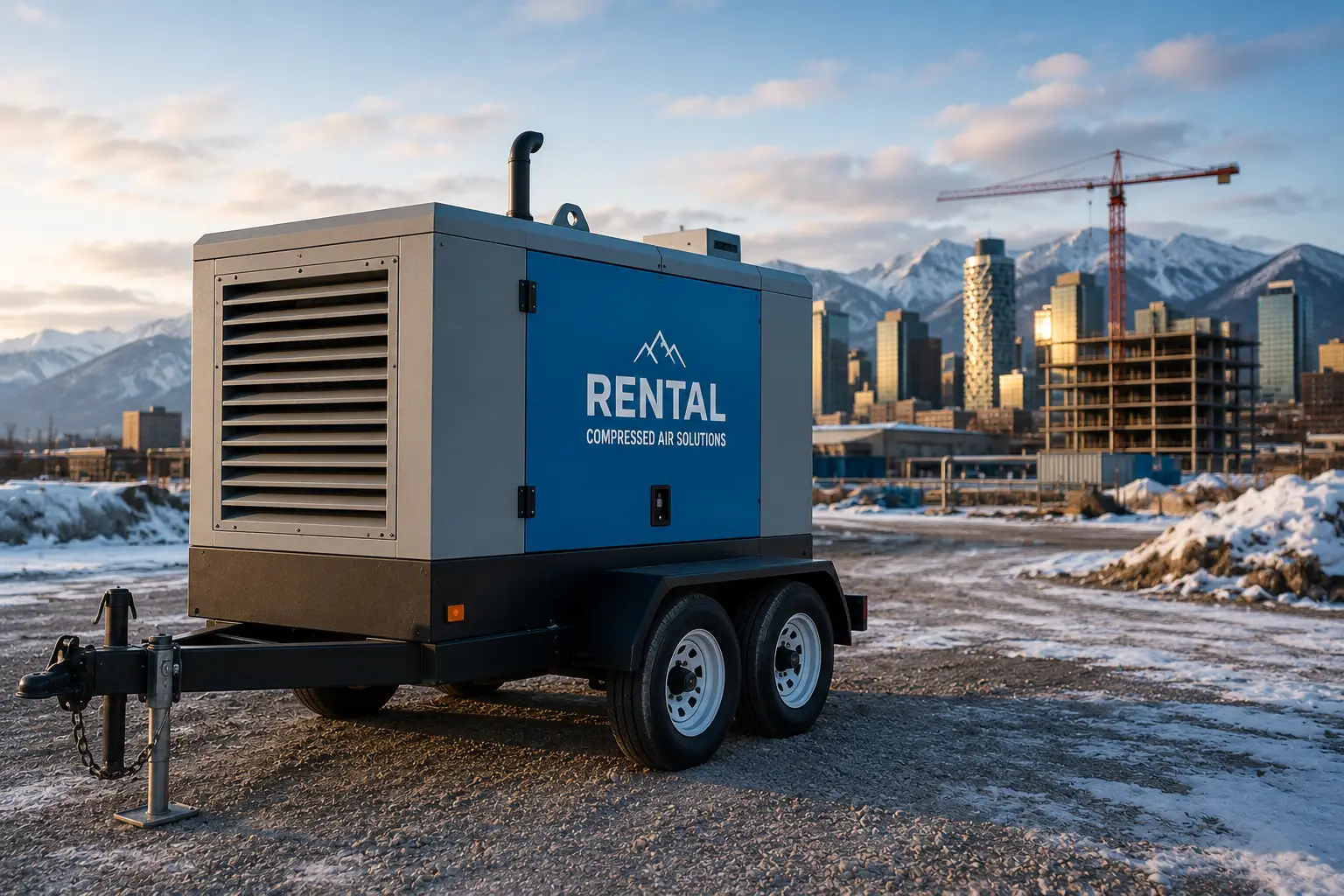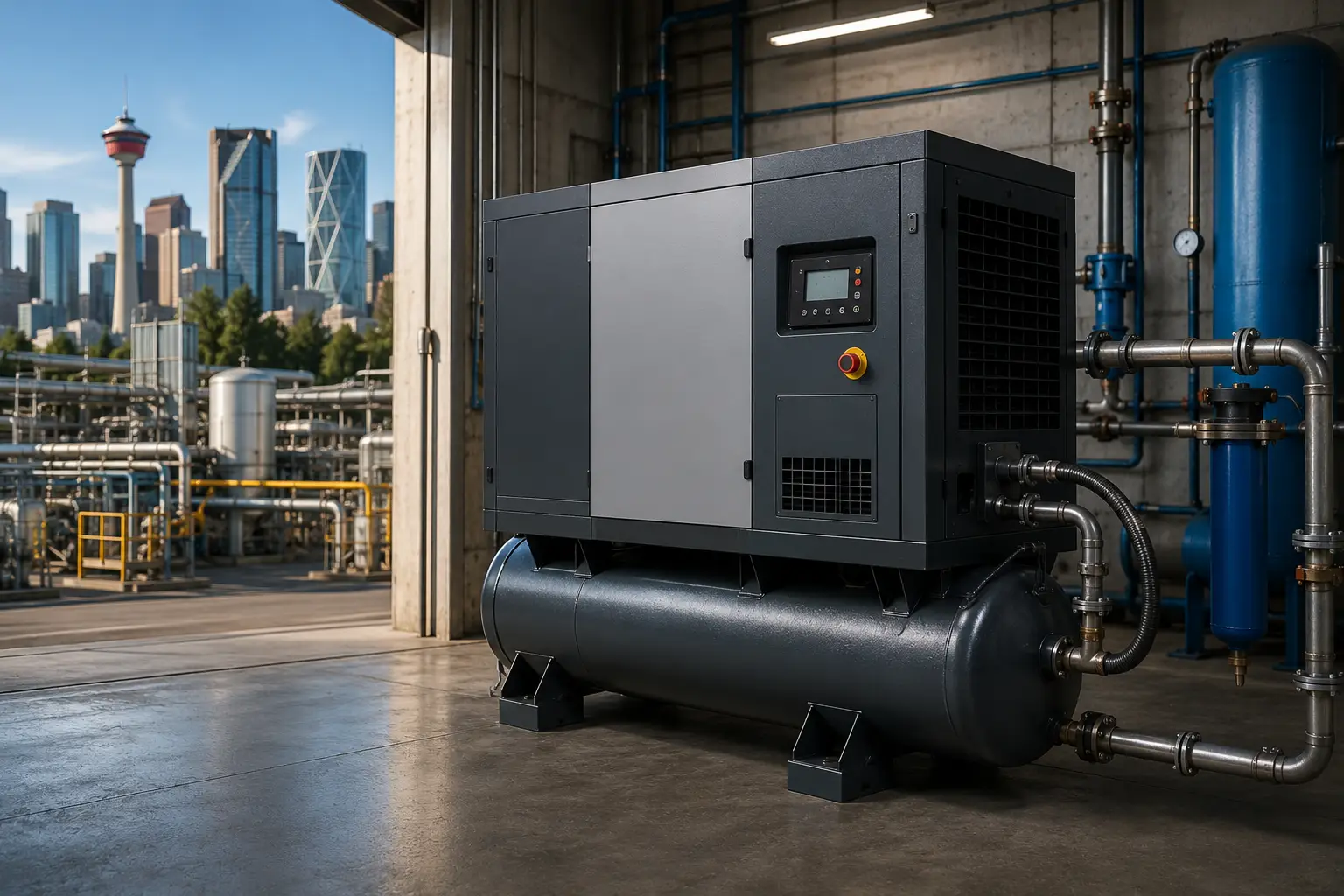

For a manufacturer, a fabricator, or a processing plant, compressed air is not a convenience. It is a fourth utility that quietly runs alongside power, water, and gas. When it stutters, the whole floor feels it. That is why so many facilities across the prairies eventually stop buying compressors one crisis at a time and instead standardize on a single, well-supported platform. In this region, that platform is very often Kaeser, supplied and serviced by CFM Air Equipment.
Kaeser has been building compressed air equipment since 1919, and its guiding philosophy has stayed remarkably consistent: more compressed air for less energy. That principle matters more than it used to. Energy is one of the largest lifetime expenses of any air system, and a compressor that sips power instead of gulping it pays for itself long after the purchase order is closed.
What Standardizing Actually Buys You
Running one brand of equipment across a facility, or across several sites, is not about loyalty. It is about reducing variables. When every unit shares a control language, a service interval logic, and a parts catalogue, your maintenance team stops relearning the equipment every time something needs attention.
Fewer parts on the shelf
A mixed fleet forces you to stock filters, separators, and service kits for a half-dozen designs. Consolidating tightens that inventory and shortens the time between a fault and a fix. CFM Air Equipment keeps the genuine service parts that keep these systems running, so a routine kit change does not turn into a week of waiting.
Controls that speak to each other
Kaeser builds compressors, dryers, filters, blowers, and compressed air management systems that are designed to work as one network rather than a collection of boxes. When the controller can see the whole system, it can stage machines intelligently instead of letting them fight each other for demand.
Sizing Rotary Screw for Real Demand
Most industrial air in this region comes from rotary screw air compressors, and for good reason. They deliver a steady, continuous flow that suits shops running long shifts. The trap is oversizing. A machine that is too large short-cycles, wears faster, and wastes energy every time it unloads.
Right-sizing starts with an honest look at your real duty cycle, not the peak you hit twice a year. A demand analysis looks at how much air you use, when you use it, and how much pressure you actually need at the tool. Very often the answer is a variable-speed unit that follows demand, paired with a fixed-speed machine that handles the base load. CFM Air Equipment is the Kaeser distributor for Southern Alberta and Saskatchewan, and that sizing conversation is where the relationship usually begins.
Energy Is the Real Driver
The purchase of a compressor is a small fraction of what it takes to run one over its life. Electricity, maintenance, and downtime dominate the lifetime bill. This is why the smartest facilities treat a new compressor as an energy decision first and a capital decision second.
A modern, efficient system recovers waste heat, controls pressure precisely, and avoids the artificial demand created by leaks and over-pressurization. Small changes compound. Dropping system pressure by a few PSI, tightening a leak program, and letting a good controller manage the fleet can meaningfully cut consumption. The team at CFM Air Equipment can walk a plant through practical energy savings opportunities before recommending any hardware.
Support Is Part of the Product
A compressor is only as reliable as the people behind it. CFM Air Equipment operates a 24/7 service department that handles repairs, installations, air end rebuilds, and preventative maintenance across Central and Western Canada. For plants in oil and gas, mining, agriculture, fertilizer, and power generation, that after-hours coverage is not a luxury. It is the difference between a short interruption and a lost production run.
Frequently Asked Questions
Does CFM Air Equipment sell and service Kaeser in my area?
Yes. CFM Air Equipment is the Kaeser distributor for Southern Alberta and Saskatchewan, with locations in Calgary, Lethbridge, Regina, and Winnipeg providing parts and service coverage across Central and Western Canada.
Is a rotary screw compressor always the right choice?
Not always. Rotary screw units excel at continuous, high-duty operation, but lighter or intermittent applications may be better served by a reciprocating machine. A demand analysis is the honest way to decide.
How much can a more efficient system save on energy?
Savings depend on your current setup, but pressure optimization, leak reduction, and intelligent sequencing routinely reduce consumption. CFM Air Equipment can assess your system and provide a quote after an on-site review.
Can I standardize gradually instead of replacing everything at once?
Absolutely. Many plants phase in a single platform as older units retire, which spreads the investment and lets the controls and parts advantages build over time.
What does preventative maintenance cover?
A structured program includes scheduled filter and fluid changes, separator service, control checks, and air end inspection, all tracked so small issues are caught before they become failures.
Standardizing on a proven platform is one of the few compressed air decisions that keeps paying back for years. To talk through sizing, energy, and service for your facility, reach the team at CFM Air Equipment in Calgary at 403-252-1177 or through the Kaeser product page.