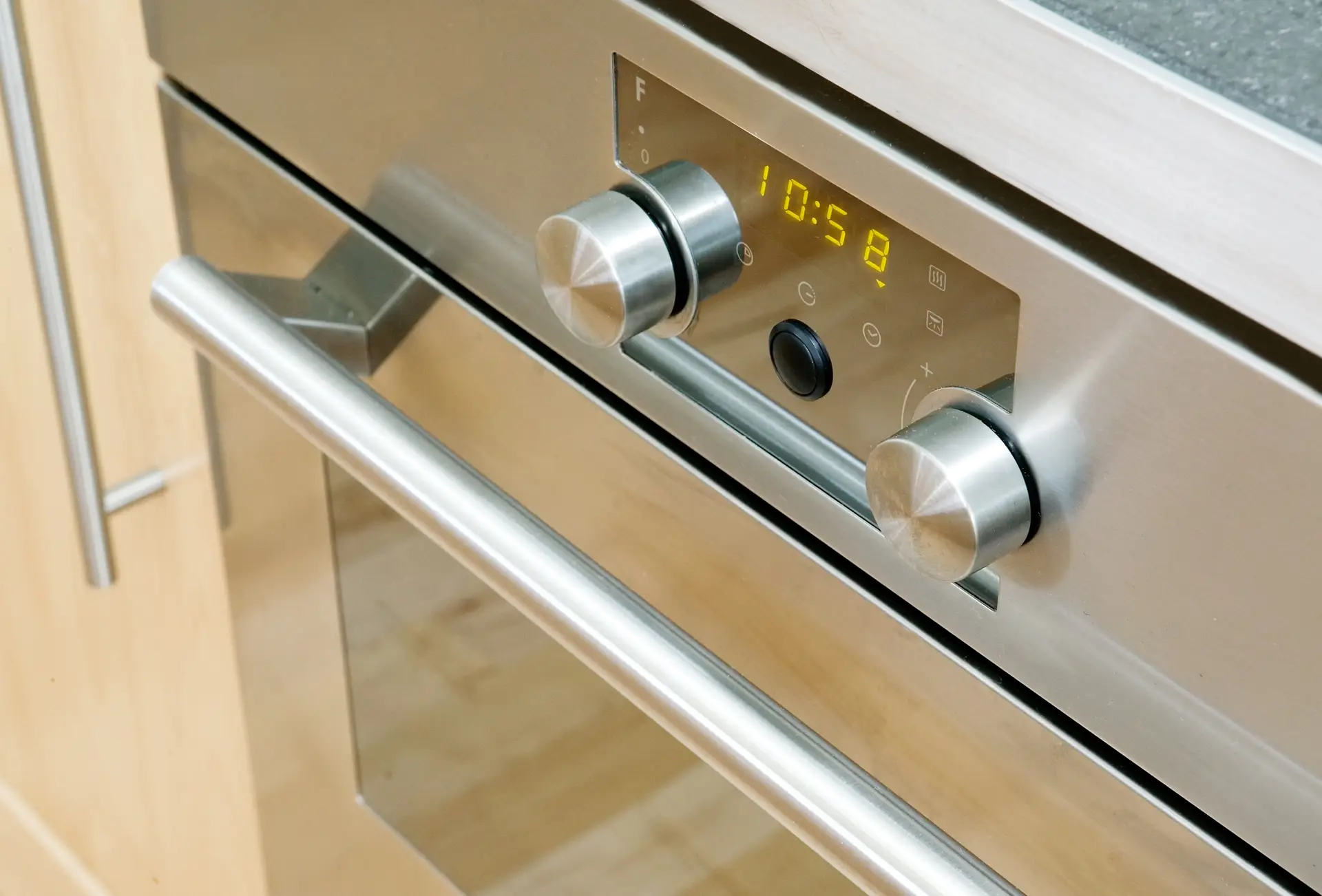

Finding out your oven will not heat up is a major problem when you have a hungry family waiting for dinner. You might notice your food is coming out cold or taking twice as long to cook as the recipe suggests. When these issues happen, our team at Jay Appliance Repair understands how frustrated you feel. We know that a broken kitchen appliance can disrupt your entire daily routine. Consequently, we focus on providing fast and reliable help to get your kitchen back in working order. Understanding the common causes of heating failures can help you decide when it is time to call for professional assistance.
Common Signs of Oven Heating Issues
First, you should look for specific signs that your appliance is struggling. You might notice the oven light turns on, but the air inside stays lukewarm. Additionally, you could see that the top broiler works while the bottom bake element stays dark and cold. Sometimes, the oven might reach the set temperature but then drop quickly during the baking process. If you experience any of these symptoms, it usually means a part has worn out or broken completely. Our professional technicians at Jay Appliance Repair often see these problems in homes throughout the area.
Furthermore, uneven cooking is another big red flag. If one side of your cake is burnt while the other is raw, your heating elements are likely failing. You should also listen for strange clicking noises or smells of gas if you own a gas model. These signs tell you that something is wrong with the internal components. Since many of these parts involve high voltage or gas lines, you should always be careful. Instead of trying to fix it yourself, let our experts handle the dangerous work for you.
Understanding the Bake Element Failure
Most electric ovens rely on a thick black coil at the bottom called a bake element. When you turn on the oven, this coil should glow bright red. However, over years of use, these coils can blister, crack, or burn out entirely. If you see physical damage like small holes or white spots on the coil, it is definitely broken. Because the element is a circuit, even a tiny break means it cannot create heat anymore. Consequently, your oven will stay cold no matter how high you turn the dial.
In many cases, replacing this part is the most common fix for heating issues. Our team at Jay Appliance Repair carries a wide variety of parts to ensure we can fix your model quickly. We check the wiring and the mounting brackets to make sure the new part works perfectly. Moreover, we test the oven after the repair to ensure the heat is consistent and safe. This gives you peace of mind knowing your next meal will be cooked exactly how you want it.
Problems with the Oven Igniter
If you have a gas oven, the igniter is usually the part that fails first. The igniter has two main jobs to perform. First, it must get hot enough to glow and signal the gas valve to open. Second, it provides the spark or heat needed to light the gas once it enters the burner. Over time, the igniter can become weak. It might still glow, but it may not reach the high temperature required to open the gas valve safely. As a result, the gas never flows, and your oven stays cold.
Furthermore, a weak igniter is a sneaky problem because it looks like it is working. You might see a dull orange glow, but nothing ever happens. Our professional technicians use specialized tools to measure the electrical current going to the igniter. If the reading is too low, we replace the part immediately. This repair is essential for safety, as a faulty igniter can sometimes lead to gas buildup. We prioritize your safety and ensure every connection is tight and secure before we leave your home.
Temperature Sensor and Calibration Issues
Sometimes the heating elements are fine, but the oven “thinks” it is hotter than it actually is. This is usually caused by a faulty temperature sensor. The sensor is a small thin tube located near the back of the oven interior. If this part is bumped or coated in heavy grease, it cannot read the air temperature correctly. Consequently, it might tell the control board to shut off the heat far too early. This leads to undercooked food and a lot of confusion for the cook.
Additionally, modern ovens use a computer control board to manage the heat. If this board has a short circuit or a blown fuse, it cannot send power to the heating elements. While this is a more complex repair, our team has the experience to diagnose board failures accurately. We check the resistance of the sensor first, as it is a simpler fix than replacing the entire computer board. By choosing our team for your service, you get a thorough inspection that identifies the exact root of the problem.
Maintaining Your Other Kitchen Appliances
While the oven is the heart of the kitchen, other appliances need care too. For example, if your freezer is leaking or not staying cold, it can lead to food waste just like a broken oven. We often find that homeowners ignore small issues until they become huge repairs. Whether you are dealing with a stove that won’t light or you need freezer repair Leduc services, keeping everything maintained is key. Regular cleaning and checking for wear and tear can save you a lot of money over time.
Furthermore, we suggest checking the door seals on your oven and freezer. If the rubber gaskets are cracked, heat or cold air will escape. This causes the appliance to work much harder than it should. When an appliance works too hard, the internal parts wear out much faster. Consequently, a simple seal replacement can extend the life of your machines by several years. If you notice your kitchen appliances are making more noise than usual, it is a good time to call for a check-up.
Professional Service You Can Trust
Repairing a modern oven requires special tools and knowledge of electrical circuits. At Jay Appliance Repair, we train our staff to handle all major brands and models. We arrive at your home with the right equipment to diagnose the issue on the first visit. Because we value your time, we work efficiently to minimize the disruption to your day. You can count on us to provide an honest assessment and a fair price for every job we do.
In conclusion, a cold oven does not have to mean the end of your dinner plans. Whether the problem is a burnt element, a weak igniter, or a faulty sensor, we have the solutions you need. Our team is dedicated to helping families throughout the community keep their kitchens running smoothly. If you are struggling with an appliance that just won’t behave, reach out to our friendly staff today. We are ready to provide the expert service you deserve to get back to cooking the meals your family loves.
Frequently Asked Questions
Why does my oven take so long to preheat? This often happens if one of the heating elements has burned out. If only the top element is working, the oven will take much longer to reach the right temperature. It could also be a sign of a failing temperature sensor or a worn-out door seal that is letting heat escape.
Is it safe to use my oven if the element is sparking? No, you should turn off the oven and unplug it immediately if you see sparks. A sparking element indicates a short circuit or a severe break in the component. Using the oven in this condition can damage the internal wiring or the electronic control board.
How can I tell if my oven sensor is bad? If your oven is consistently overcooking or undercooking food, the sensor might be faulty. You can sometimes test this by using an independent oven thermometer. If the thermometer shows a completely different temperature than the oven display, the sensor likely needs to be replaced.
Can I replace an oven igniter myself? While some people try DIY repairs, we recommend professional service for gas appliances. Replacing an igniter involves working near gas lines and handling fragile components. Our professional technicians ensure the job is done safely to prevent gas leaks or electrical issues.
How long do oven heating elements typically last? Most heating elements last between 8 and 12 years depending on how often you use the oven. Frequent use at very high temperatures or using the self-cleaning cycle often can shorten the lifespan of these parts. Regular inspections can help catch a failing element before it breaks completely.